Nha Trang and Da Nang Beaches: Where to Go and When Not to Swim
A convenient beach is easy to reach, has somewhere to sit in the shade and clear rules at the water. In Nha Trang and Da Nang, you can stay on the city shore or plan a separate outing. Here is how to organise an ordinary beach day and decide when to stay ashore.
Start with a beach near your accommodation
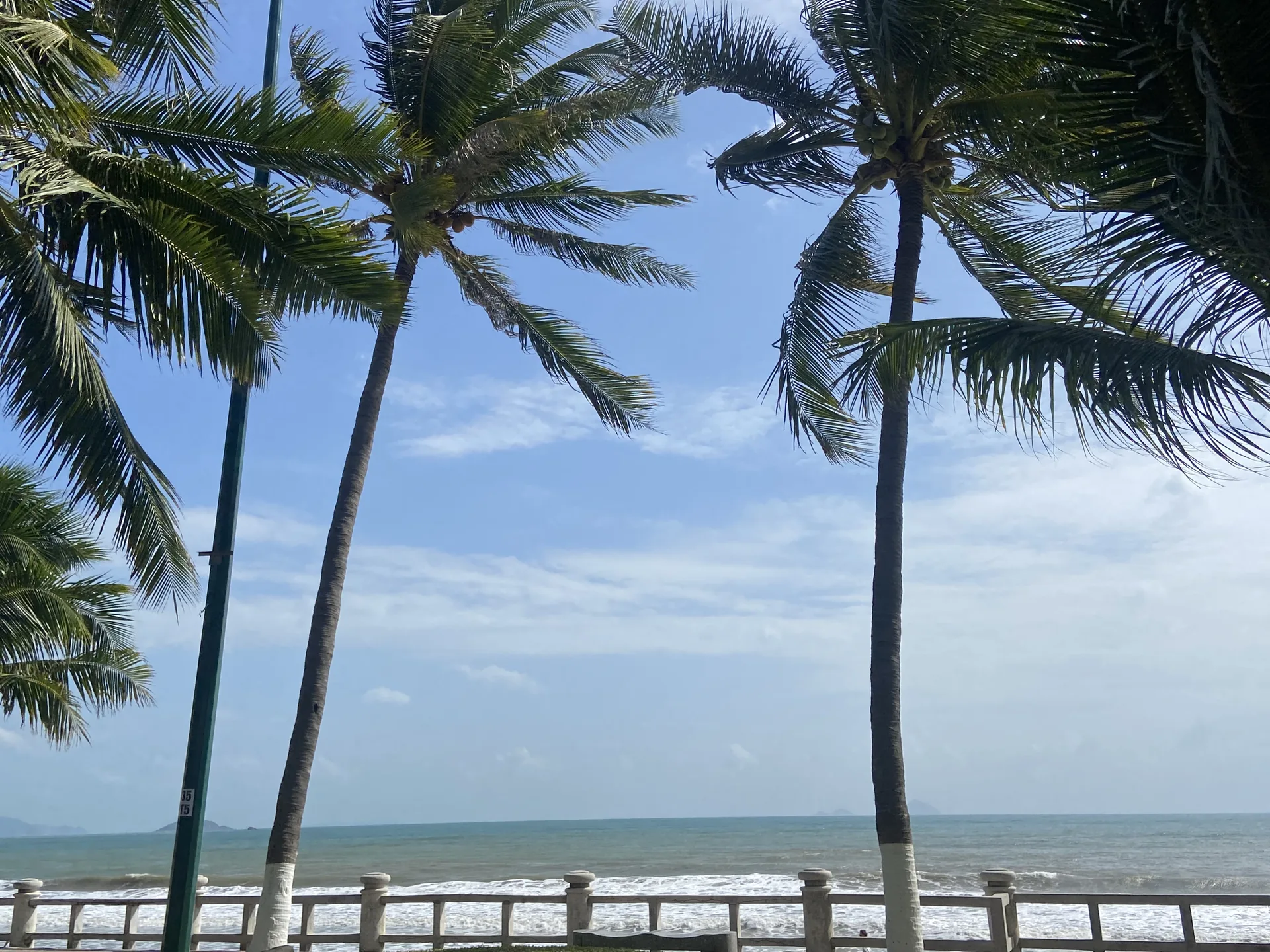
In Nha Trang, start with the city shore along Tran Phu; in Da Nang, try an accessible section of My Khe or My An. Staying nearby makes it easier to return to your room, eat and shorten the visit if conditions change. Save Doc Let and Bai Dai for a separate outing with an agreed return journey. On arrival, find current warnings and a lifeguard, then ask about the permitted swimming area and hours. If the section is closed, conditions are unclear or no lifeguard is on duty, stay ashore. With children, you also need shade, a toilet and an adult watching continuously near water. For regular beach visits, an easy route from home matters more than a famous beach name. The table compares how to organise your visit; it does not establish whether the water is safe that day.
| Place | Useful for | Ask about |
|---|---|---|
| Tran Phu, Nha Trang | A short beach visit, a walk and returning to town. | Road crossing, nearest permitted area, shade and showers. |
| Doc Let / Dốc Lết | A separate Nha Trang outing based at one chosen section. | Exact entrance, service package, warnings and return vehicle. |
| Bai Dai / Bãi Dài | A coastal day towards Cam Ranh or time by your own resort. | Access point, services for non-residents and the return journey. |
| My Khe / Mỹ Khê and My An / Mỹ An, Da Nang | Beach time near a city base without a separate excursion. | Specific entrance, lifeguard post, swimming and sports areas. |
| Non Nuoc / Non Nước, Da Nang | Time by a selected resort or a planned beach outing. | Shore access, hotel facility rules and transport. |
Nha Trang: city shore or a separate trip
Tran Phu: start with a short visit
Vietnam Tourism describes Tran Phu as the central city beach with a promenade and nearby places to eat. It is a useful starting point for combining beach time with a city day. Choose an accessible section, then check the whole route from your hotel entrance to the sand. A beachfront room may still require crossing a road.
Before unpacking, find the lifeguard post and ask where swimming is currently permitted. Check where to find shade and change clothes. With a small child, a short morning near your accommodation is usually simpler to organise than an all-day outing. The family holiday guide suggests plans by age.
Doc Let and Bai Dai: send the driver an exact entrance
Doc Let, or Dốc Lết, is in the Ninh Hoa direction; Ninh Hoa’s official portal presents it as a separate beach destination. Bai Dai is south of Nha Trang and also appears in Vietnam Tourism. These are different outings. Choose one shore and a specific place to spend the day rather than using most of your time travelling.
For Doc Let, clarify whether you are heading to a tourist complex, resort or another section. For Bai Dai, you likewise need a particular venue address or confirmed shore access. A long beach name does not establish where you will be dropped off or what facilities are nearby. Ask hotels whether non-residents can use their services.
Agree the outward and return journeys, waiting time, stops and road charges. Save the driver’s contact and meeting point. If using a bus, confirm the current route, stop and last suitable return service; do not base your return on an old review. Descriptions of Doc Let’s shallow entry do not replace checking local warnings.
Da Nang: choose a section and entrance
Vietnam Tourism describes My Khe as a city coastline south of Son Tra Peninsula. For everyday visits, start with the nearest entrance to your base around My Khe or My An. Walk the route: is the crossing convenient, where can you leave a bicycle, how far is a café, and where do you leave the beach? For an expat, this is more useful than repeatedly travelling to a ranked tourist spot.
Non Nuoc is another option, especially if you are already staying along that shore. The Go Surfing FAQ lists a location on Non Nuoc Beach, Moc Son 7. This identifies one operator’s meeting point, not an entrance for the entire beach. Confirm access separately for an independent visit. A resort’s pool, showers, towels and loungers may require a stay or additional payment.
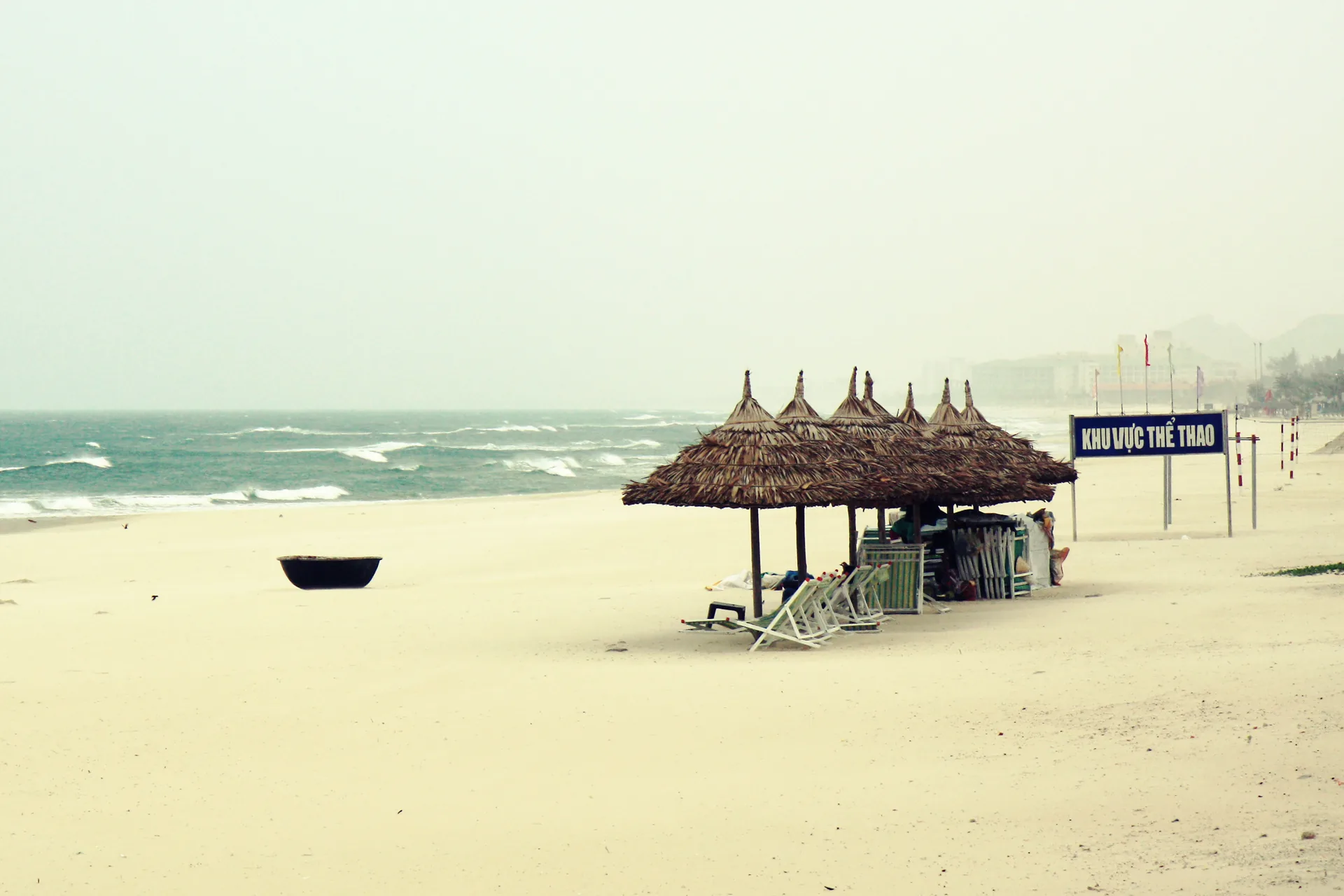
Do not head to an empty section solely to avoid crowds: establish whether there is a permitted swimming area and a lifeguard on duty. Where surf schools or watercraft operate, ask how swimming and activity areas are separated. A sports-area sign identifies a section’s purpose but does not itself authorise entering the water.
Beach comfort: shade, toilets, showers and belongings
Before settling in, check shade for the hours you need, a working toilet, somewhere to rinse off and arrangements for belongings. An umbrella may not be included with a lounger. Showers may cost extra, and changing facilities may belong to a nearby venue. Ask before paying, particularly for a several-hour visit with a child.
Is the price per person, per lounger or per set; per hour or per day? Is a food order required, are towels, showers and parking included, and can you leave and return? Keep the price and package details in a message or receipt. Buying facilities does not override swimming restrictions.
Khanh Hoa Police advises leaving valuables at the hotel and keeping watch over belongings brought to the beach. Bring the minimum you need and agree who watches the bag while others are at the water. A phone pouch does not replace supervision. The everyday safety guide covers more everyday situations.
| Expense | Ask before paying |
|---|---|
| Transport | Both journeys, waiting, road charges and delay costs. |
| Admission or day package | Per person or group; exactly which facilities are included. |
| Lounger and shade | One item or a set, rental duration and required food order. |
| Showers, toilets, towels and parking | Separate payment and whether they are available today. |
| Food, drinks and an activity | Menu prices, equipment, instructor and cancellation terms. |
Suppose you allow VND 600,000 for return transport for two, VND 200,000 for beach facilities and VND 300,000 for meals and drinks. That totals VND 1,100,000 before a water activity. These are invented planning amounts, not Nha Trang or Da Nang tariffs. Substitute quotes from your chosen driver and venue, adding the separately priced activity once.
When to stay out of the water
Khanh Hoa Police recommends swimming only in areas with lifeguards on duty, following warnings and avoiding strong waves or wind. Check the selected section’s rules: hours, boundaries and prohibited areas. An empty lifeguard post does not establish that anyone is watching the water.
Read signs and ask staff to explain the flags. Cấm tắm means no bathing; Nguy hiểm means danger. Do not bypass a barrier or lifeguard instruction for a photograph or quick swim. Do not apply another country’s flag-colour chart to this shore; no flag does not establish permission either.
Check warnings from Vietnam’s National Centre for Hydro-Meteorological Forecasting before leaving and restrictions on arrival. If the shore is closed, cancel both swimming and water activities. Khanh Hoa’s portal published such a restriction for Nha Trang’s coast during Typhoon Kalmaegi in November 2025. This illustrates a possible closure; it is not a current storm notice.
National Weather Service explains that rip currents can occur in sunny weather and carry swimmers away from shore. Blue skies and an apparently quiet gap between waves do not establish safety. Delay entering if you cannot understand the conditions or get an explanation ashore. The Vietnam seasons guide covers seasonality for choosing travel dates.
If a current carries you away from shore
National Weather Service advises against swimming directly towards shore against a rip current. Stay calm; if able, swim along the shoreline to leave the flow, then return at an angle. If unable to escape, float or tread water, call and wave for help. This advice is no reason to enter hazardous water.
If someone else needs help, alert a lifeguard immediately. National Weather Service recommends providing something that floats if possible and warns against attempting a swimming rescue yourself. Do not form a human chain in the surf. Ask someone nearby to call local emergency services and give the exact section or landmark; follow lifeguard and dispatcher instructions.
Surfing and SUP: confirm the activity separately
An instructed lesson and independent board rental require different arrangements. Before paying, explain your experience and swimming ability, and a participating child’s age. Ask about group size, instruction language, required equipment, meeting point, activity boundaries and who decides to cancel. Boards on the sand do not establish permission to launch.
The Go Surfing FAQ says Go Surfing cancels for dangerous conditions and may reschedule for heavy rain. The CoCo Surf Danang booking page requests at least 24 hours’ notice for cancellation or rescheduling; changes within that window are not eligible for a refund under its published terms. These are two different operators’ rules. Separately ask what happens when the school cancels or authorities close the area: customer cancellation and a prohibition on entering the water are different cases.
Confirm the meeting point and time before leaving, and save refund terms before payment. If the sea is closed, choose a permitted promenade walk, museum or indoor break. During severe weather, first check travel restrictions; an indoor alternative still requires a safe journey.
Six checks before your beach day
- Exact entrance, an easy route from your accommodation and the return plan.
- Warnings, permitted swimming area and lifeguard duty hours.
- Shade, toilets, showers and everything included in paid facilities.
- Supervision of children and belongings, drinking water and an option to leave early.
- For water activities: instruction, participation requirements and cancellation terms.
- An alternative ashore if entry is prohibited or conditions are unclear.
Need a vehicle for a beach outing?
Give the city, exact entrance or venue, date, passenger numbers and return time. Use the form to request transport options and waiting arrangements.