Common First-Time Mistakes in Vietnam: Housing, Money, Documents, and Transport
Most first-week problems in Vietnam start with a small assumption: “I will figure it out there”, “everyone does it”, “the chat said so”, or “the deposit will be returned anyway”.
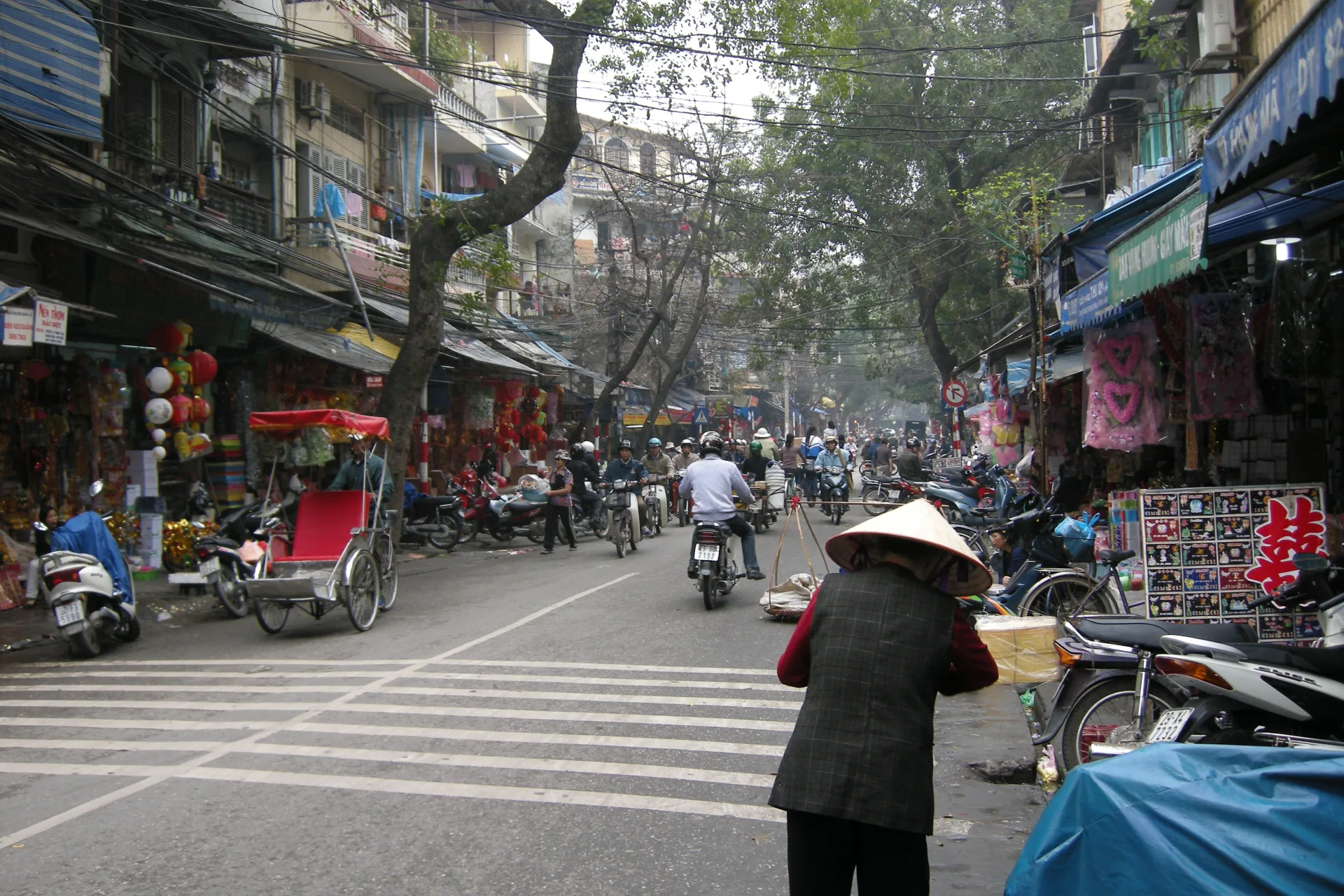
The main mistake is treating Vietnam as easy enough to skip checks
Many things are convenient in Vietnam: SIM cards, ride apps, Facebook housing groups, local services through messengers. That convenience makes first-timers skip document checks, written terms, money buffers, insurance exclusions, and backup access.
Entry mistake: copying another traveler’s passport logic
Entry rules depend on citizenship, stay duration, entry port, trip purpose, and dates. A person in a chat may have entered smoothly, but their passport and travel conditions may not match yours.
If you need e-visa, use the official portal Vietnam e-Visa official website. Vietnam.travel visa requirements gives official tourism guidance on visa requirements and exemptions. Before paying, check spelling, passport number, nationality, dates, single or multiple entry, entry port, and stay duration.
Do not buy non-refundable long plans before entry is clear. If your trip includes exits and re-entries, neighboring countries, long stays, or changing airports, check whether your visa type actually supports that route.
Housing mistake: sending a deposit before verifying the apartment
Vietnam housing leads often come through Facebook groups, Zalo, Telegram, WhatsApp, and agents. That is normal, but speed creates risk: “this unit will go today”, “deposit now”, “contract later”, “utilities are standard”. Before payment, verify address, building, entrance, view, meters, air conditioners, router, bathroom, kitchen, and real street noise.
In Nha Trang, compare beachside, north side, tourist center, An Vien, VCN, and newer areas behind the railway. In Da Nang, compare My Khe, An Thuong, Son Tra, Hai Chau, Ngu Hanh Son, bridge routes, bar noise, construction, and rainy-season access. The same monthly budget can mean very different daily life.
Before deposit, ask for a contract draft, deposit amount, return rules, early exit penalty, electricity, water, internet, cleaning, parking, management fee, air-con repair, appliance replacement, and residence declaration. If the owner or agent will not put details in writing, reduce exposure or walk away.
Residence mistake: assuming the hotel or landlord handled everything
Hotels usually handle residence declaration, but in long-term apartments you should confirm that the owner or manager actually declares your stay. This can matter later for paperwork, bank questions, clinic visits, or housing disputes.
Vietnam Ministry of Public Security residence declaration platform update has reported a unified software system for temporary residence declarations for foreigners. In practice, process and speed can depend on city, district, property manager, and housing type. Ask what data is needed, when it will be submitted, and how you can confirm it without exposing personal data publicly.
If you stay with friends, in an apartment without reception, or move to another unit, do not mentally keep the old registration. The address should match where you actually live.
Money mistake: arriving with one card and no exchange plan
“I will withdraw from an ATM” works until the card fails, the bank blocks the transaction, the ATM limit is low, the exchange place is closed, or you need cash for taxi and deposit immediately. Prepare at least three layers: starter cash, main card, and backup transfer or exchange route.
Depending on where you come from, your options may include USD, EUR, local bank cards, international cards, or digital transfers. They are not equally convenient in Nha Trang, Da Nang, Ho Chi Minh City, or Hanoi. Before exchanging a larger amount, check rate, fee, location, limits, documents, and VND pickup method.
Smartraveller Vietnam travel advice warns about card skimming, card fraud, scams, and theft after ATM withdrawals. Do not withdraw everything in one place, cover PIN, check the screen amount, keep backup separately, and do not hand your card to someone who wants to “process payment for you”.
Taxi mistake: taking the first car at the airport or market
The first transport mistake often happens within 30 minutes of landing. You are tired, internet is not ready, address is not saved, and someone offers “cheap taxi”. That is when people accept inflated prices, wrong addresses, extra stops, or unclear terms.
Install Grab, Xanh SM, Maxim, and inDrive before arrival, then check phone number, payment, cash option, English and Vietnamese address, and map pin. In larger cities, Grab and Xanh SM are usually easier for first-timers; Maxim and inDrive can be useful backups, but price and conditions should be confirmed before the ride.
Government of Canada Vietnam travel advice advises using official taxis or a trusted ridesharing app, agreeing fare in advance or insisting on a meter, and confirming driver identity and licence plate. This matters around airports, train stations, markets, nightlife streets, and tourist areas.
Motorbike mistake: renting before checking licence, insurance, and deposit
A motorbike feels like the easiest Vietnam solution: cheap, fast, and common. For a newcomer, it is also a legal, medical, and financial risk. Before renting, know whether you can legally ride that vehicle, whether insurance covers motorbike accidents, what deposit you leave, and what happens after damage.
Avoid leaving your original passport as deposit if another arrangement is possible. Film the bike before departure: plastic parts, mirrors, brakes, lights, tires, scratches, plate number, helmet, and fuel level. Ask who pays for towing, puncture, theft, police fine, accident, rain damage, and helmet replacement.
If you are unsure about documents, traffic, or insurance, use Grab, Xanh SM, Maxim, inDrive, a hired driver, or walking routes for the first weeks. Motorbike should not be the first adaptation tool if you do not yet understand local roads.
SIM mistake: buying data without checking registration and access
A SIM is not only internet. It may control taxis, delivery, Zalo, banking, insurance, housing agents, and two-factor authentication. The mistake is buying a random SIM without checking validity, data volume, hotspot, top-up, registration, and whether the number will still work next month.
For a tourist start, operator pages such as Viettel tourist SIM service help benchmark offers. For longer stays, compare Viettel, VinaPhone, and MobiFone by coverage in your district, speed inside the apartment, top-up options, support, and renewal terms.
Before departure, check SMS roaming from your bank, backup codes, email access, Telegram, WhatsApp, Google/Apple account, bank apps, and cloud recovery. If your phone is lost in the first days, missing backup access may be worse than the lost phone.
Insurance mistake: buying the cheapest policy without exclusions
For Vietnam, read exclusions rather than only price and coverage amount: motorbike, alcohol, outpatient care, dengue, food poisoning, emergency evacuation, dental, chronic conditions, pregnancy, diving, trekking, sea activities, children, and trip extension.
Save assistance phone, policy number, email, direct billing or reimbursement rules, clinic list in your city, claim documents, and support language. Nha Trang, Da Nang, Ho Chi Minh City, and Hanoi have different clinic choices and price levels.
For dengue symptoms, serious pain, injury, high fever, animal bite, or traffic accident, do not rely only on chat advice. A chat may suggest a district or clinic, but medical decisions belong to a doctor and payment decisions to the insurer under your policy terms.
Local service mistake: choosing only the lowest price
In Vietnam you can often find a cheaper transfer, exchange, tour, cleaning, repair, motorbike rental, massage, laundry, or delivery. The lowest price may mean different scope, different route, weak insurance, no refund, language friction, or a dispute after payment.
Before paying, fix details in writing: what is included, exact time, address, VND price, fees, tolls, parking, waiting, fuel, cancellation, rain policy, deposit, and what happens after delay or breakdown. A Zalo/WhatsApp/Telegram screenshot is better than memory.
If a service touches documents, healthcare, money, transport, or housing, do not choose only by price. Check source, reviews, address, contact, payment method, receipt option, and who responds after payment.
Weather mistake: planning Vietnam as one beach destination
Nha Trang, Da Nang, Hanoi, Ho Chi Minh City, Phu Quoc, Hoi An, and Da Lat have different seasonal patterns. One city can have calm sea, another heavy rain, and another heat or flight disruption. Do not choose month and route from one pretty photo or a friend in a different city.
Before paying for housing, tours, and intercity tickets, check rainy season, rough sea, typhoon risk, flooding, temperature, humidity, and local forecast. For Da Nang, Hoi An, and Hue, autumn rain can change routes more than the map suggests; for Nha Trang and Cam Ranh, sea conditions matter for island trips.
Avoid prepaying all activities without cancellation terms. If weather changes, a spare day, flexible transfer, refundable ticket, or city backup plan is better than forcing a prepaid tour at any cost.
Red flags
- Urgent apartment deposit request without video viewing, contract, and exact address.
- “Any visa” promise without citizenship, dates, entry port, and official source.
- Driver or service provider does not confirm price, route, and extra charges before start.
- Exchange agent or intermediary asks for passport data without a clear reason and channel.
- Motorbike rental asks for original passport and gives no vehicle inspection record.
- Insurance is recommended as “any policy”, while you plan motorbike, sea, sport, or long stay.
Safer order of decisions
- First confirm entry, passport, insurance, money, first nights, and airport route.
- After arrival, get connection, exchange a small starter amount, save address and contacts.
- View area and apartment in person, then discuss long contract and deposit.
- Use apps or trusted drivers first; leave motorbike until licence, insurance, and traffic are clear.
- Keep payments, conditions, and promises in written messenger threads.
Need a calmer start in Vietnam?
We can help review your scenario: entry, money, housing, transport, insurance, connection, and first steps in Vietnam.