Money Mistakes to Avoid in Vietnam
In Vietnam, money problems often come from small mistakes stacking up: one card only, DCC, frequent ATM withdrawals, QR without fallback, wrong deposit flow, and missing receipts.
Short answer: build a payment plan, not faith in one card
It is safer to split money across cash, foreign card, backup card, ATM plan, bank transfer route, and emergency reserve. The goal is not the cheapest method; it is not losing access to money on rent, clinic, moving, or urgent-ticket day.
Mistake 1: arriving with one payment method
The costliest mistake is one card, one phone, one SIM, and no cash buffer. If your bank blocks a transaction, ATM rejects the card, terminal is down, or phone is lost, you lose access to housing, transport, and communication.
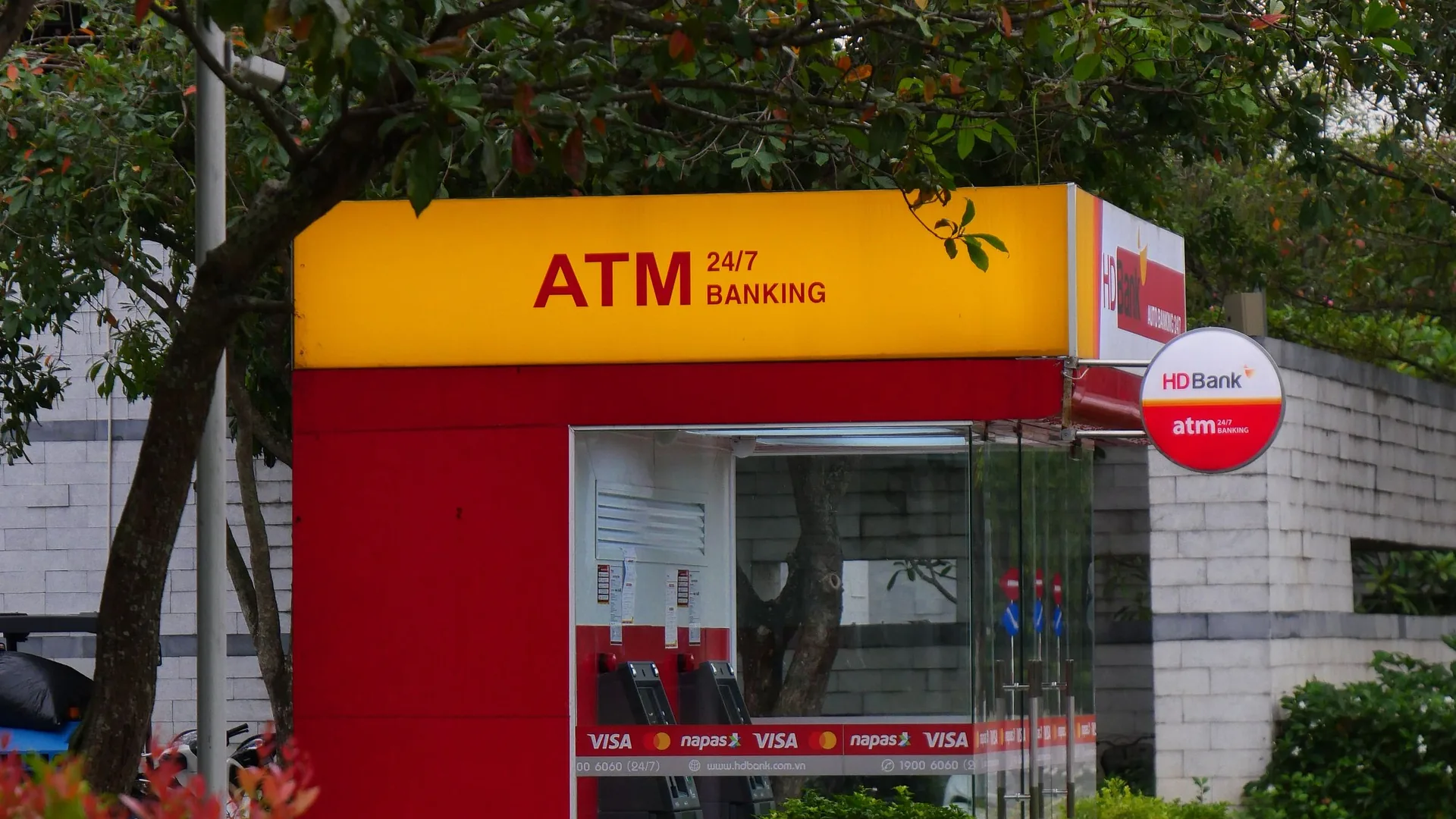
Vietnam.travel says cash is useful on arrival, ATMs are available at major airports and in cities, and international cards such as Visa are accepted at 20,000+ ATMs nationwide Vietnam.travel money guide. That does not mean card works in every cafe or with every apartment owner; it means card plus cash is stronger than card alone.
Minimum setup: 3-5 days of cash, two foreign cards from different banks, bank app access, roaming/OTP plan, emergency contact, and a spare card away from your wallet. The broader payment guide is Vietnam payment guide.
Mistake 2: making many small ATM withdrawals
Vietnamese ATMs often charge a fixed fee, so many small withdrawals can cost more than one planned withdrawal. Wise’s Vietnam ATM guide says many Vietnamese banks charge ATM fees, often around 30,000-55,000 VND per withdrawal, with some higher Wise ATM guide for Vietnam.
Compare not only the screen fee, but also withdrawal limit, home bank fee, card network conversion, possible failed-attempt cost, and whether your bank counts third-party ATM fees toward limits. If ATM offers currency choice, avoid Dynamic Currency Conversion and choose VND where possible.
Practical flow: make a small test withdrawal, keep receipt, then withdraw several days of cash and split storage. Do not withdraw your whole monthly budget in one place, and do not keep the whole cash buffer in one bag.
Mistake 3: accepting home-currency charging
A terminal or ATM may offer to charge USD, EUR, RUB, or another home currency. This is Dynamic Currency Conversion: it looks convenient, but the rate is set by terminal/acquirer, not your bank, and the markup is often worse.
For most everyday cards, choosing VND and letting your issuer convert is cleaner. Before a large payment, check your bank rules: foreign transaction fee, weekend markup, card network rate, cash advance rules, and chargeback process.
If merchant says “this is better”, ask for transaction in VND or pay another way. On expensive payments such as hotel, clinic, deposit, or airline ticket, the difference can be material.
Mistake 4: treating VietQR as universal for foreigners
VietQR is very convenient for local bank apps, but a foreigner without a local account cannot always scan and pay. NAPAS describes VietQR as QR transactions using bank accounts issued by 50+ NAPAS member banks NAPAS VietQR service.
If you have no local account or supported app, a QR code at checkout does not replace cash/card. Before a market, small clinic, apartment viewing, or local service, keep fallback: cash, card terminal, bank details for transfer, or helper with receipt.
If you live in Vietnam longer, resolve the account question through foreigner bank account guide. If you cannot open an account yet, use living without a local account and do not promise a landlord “I can pay QR” until tested.
Mistake 5: paying deposit without a trail
Rent and deposit are common sources of money disputes. The mistake is giving cash to owner/agent/helper without receipt, sending money to an unrelated account, or not stating period, apartment, payee, and purpose.
Minimum for a large payment: written agreement, payee name, role, amount in VND, address, payment purpose, date, receipt or bank confirmation, chat screenshot, and photo of signed page. If money goes through transfer route, make a small test or verify recipient template first.
Vietnam transfers should be checked through Vietnam transfer checklist: recipient details, exchange rate, limits, source of funds, and refund path. First-month planning should include deposit reserve through first-month budget guide.
Mistake 6: ignoring source of funds
A bank, payment service, or receiving bank may ask for source of funds, payment purpose, relationship to recipient, lease, invoice, salary documents, or customs declaration. The larger or more unusual the transaction, the more likely compliance review becomes.
Do not send a large amount without documents if payment is for rent, school, medical bill, business invoice, or own bank account funding. Keep lease, invoice, receipt, transfer ID, bank statement, and explanation in one folder.
If sending to your own Vietnam account, check account status, incoming transfer rules, visa/TRC expiry, and bank app access in advance. Otherwise money may be sent but awkward to use.
Mistake 7: carrying cash without a declaration plan
Sometimes people replace bank transfer with cash. That is not always wrong, but large cash without a declaration plan creates border risk and later bank questions. The U.S. Travel Advisory page for Vietnam notes that Vietnamese Dong over 15,000,000 or foreign currency over USD 5,000 or equivalent must be declared on entry and exit U.S. Travel Advisory Vietnam.
Do not split cash between people just to avoid declaration. If money is for deposit, rent, medical, or long stay, documented transfer and proof of origin are often safer.
If carrying cash, prepare proof: withdrawal records, sale contract, salary documents, or bank statement. When depositing into a Vietnamese bank, source of funds may be asked again.
Mistake 8: not checking rate and total price before confirming
Exchange booth, airport kiosk, app, ATM, and card terminal can show different rates and fees. The mistake is looking at a large rate sign and ignoring spread, commission, rounding, minimum fee, small-note refusal, or damaged banknotes.
Before cash exchange, check count, receipt, rate, denomination, and whether old/damaged notes are accepted. Before transfer, compare final received VND, not only advertised fee. Before card payment, check currency on terminal.
For the first weeks, keep a simple money log: cash withdrawal, exchange, card payment, transfer, receipt photo, purpose, and remaining buffer. It quickly shows where you are overpaying.
Checklist against overpaying and blocks
- Cash buffer for 3-5 days is stored separately.
- You have two cards from different banks and tested bank app/OTP.
- ATM tested, fee and withdrawal limit are clear.
- You choose VND in terminal/ATM unless there is a clear reason for home currency.
- VietQR is not treated as available until supported app is tested.
- Rent/deposit has receipt, payee, purpose, period, and proof.
- Large transfer has source of funds, purpose, and refund path.
- Cash over declaration threshold has documents and plan.
Red flags
- The whole trip depends on one card or one phone.
- ATM or terminal offers a “guaranteed rate” in home currency.
- Owner or agent asks for deposit to unrelated account without receipt.
- You send a large transfer without a test payment.
- Recipient asks for fake purpose of payment.
- You carry large cash without declaration documents.
Want a payment plan without avoidable costs?
Send city, stay length, cards, income currency, large payments, rent/deposit, bank status, and emergency reserve. We can map cash, cards, ATM, transfers, and receipts into a workable setup.