Money Transfers to Vietnam: What to Check Before Sending
Before sending money to Vietnam, check not only fee, but also exchange rate, delivery method, limits, recipient details, purpose of payment, source of funds, and refund path.
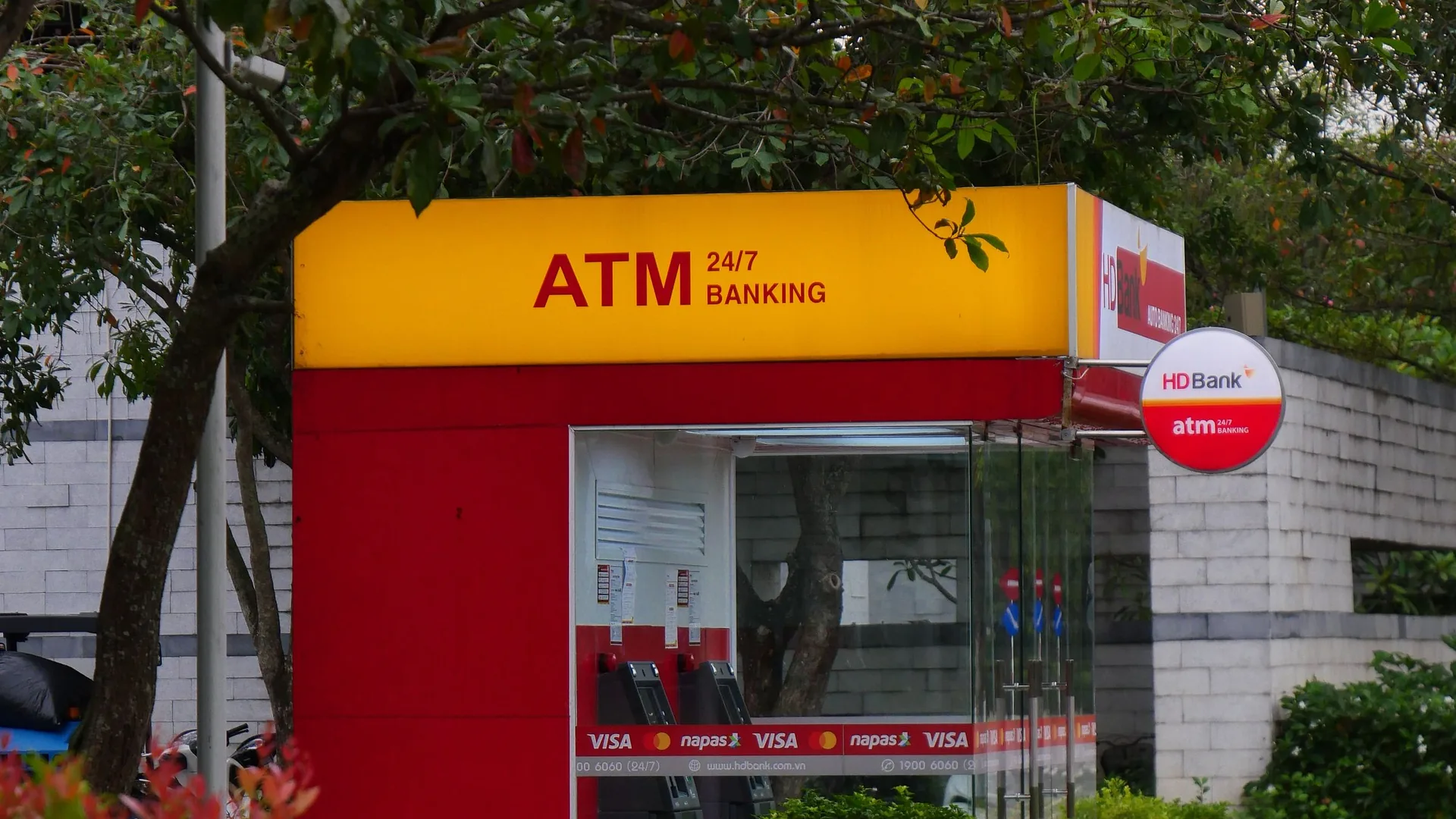
Short answer: compare the recipient’s final amount first
A good transfer is not the lowest advertised fee. It is clear total cost: how much you pay, how much VND arrives in Vietnam, when it is available, what the recipient needs, and what happens if name, account number, or pickup details are wrong.
Start with the payment job, not the provider
A Vietnam transfer can be for rent, deposit, family support, medical bill, tuition, business invoice, salary, emergency cash, or funding your own account. Each job needs different priorities: speed, receipt, source of funds, bank statement, cash availability, and reversibility.
If the recipient has a local bank account, bank deposit is usually cleaner: it leaves an account trail, can be repeated, and is safer than handing over cash. If there is no account, cash pickup or home delivery can be practical, but name and pickup rules matter more.
If the task is not an international transfer but everyday payment inside Vietnam, start with payment methods in Vietnam: it separates cash, card, QR, ATM, and local transfers.
This is not financial advice or a provider ranking. Fees, limits, rates, available banks, and compliance checks change; compare the app or branch quote on the day of transfer.
Recipient details to verify
For bank deposit, you usually need full legal name, bank name, account number, sometimes branch, phone number, and address. Wise says VND transfers to bank accounts need recipient full name, bank name, and bank account number, with account number shorter than 34 characters Wise VND transfer guide.
The name should match the recipient’s document or bank profile. Do not send to nickname, short name, landlord assistant, or “friend account” if the payment matters for rent, deposit, invoice, or refund. Keep payment purpose neutral and accurate: rent, family support, deposit, service payment, reimbursement.
For cash pickup, verify recipient ID name, phone, city, pickup network, currency, tracking code, and deadline. Western Union Vietnam says cash pickup requires the recipient to visit a location, provide sender details including MTCN, show valid government-issued photo ID, and receive money after verification Western Union receive money in Vietnam.
Compare fee plus exchange rate
The common mistake is comparing only visible fee. Real transfer cost includes send fee, exchange-rate spread, payment method fee, receiving bank fee, intermediary bank fee, cash pickup fee, card funding fee, and possible refund/return fee.
Wise shows a USD to VND model where the recipient gets VND directly from Wise local bank account Wise send money to Vietnam, and its VND guide gives transfer limits. Remitly’s Vietnam route tells users to check total cost in website or app because pricing depends on transfer details Remitly Vietnam route. That is normal: quote changes by sending country, payment method, and receive method.
Compare final receive amount for the same send amount at the same minute, not just a headline rate. If a service says “no hidden fees”, still compare exchange rate against a mid-market reference and check whether card funding costs more than bank debit.
Limits, timing, and large amounts
For a small transfer, app quote and bank deposit may be enough. For a large amount, check per-transfer limit, daily/monthly sender limit, recipient bank limit, compliance review time, source of funds, purpose documents, and what happens if the payment is split.
Wise VND guide states a maximum of 499,999,999 VND per transfer and minimums of 10,000 VND for personal recipients and 50,000 VND for business recipients Wise VND transfer guide. This is not a universal limit for every provider, but it shows why a large payment should not be planned as a one-click task.
For SWIFT or bank wire, ask sending bank fee, intermediary fee, receiving bank fee, SWIFT code, beneficiary bank address, recipient name, account currency, conversion point, expected days, and proof of payment. For urgent rent/deposit, keep fallback: cash, card, smaller test transfer, or written extension from landlord.
Bank deposit, cash pickup, wallet, or home delivery
Bank deposit is strong for recurring payments and proof. Vietcombank says overseas money can be received via Vietcombank accounts or at transaction point, and highlights zero fee for receiving via bank account or cash out at Vietcombank counters Vietcombank receive remittances. BIDV also describes receiving/transferring via account or at counter, with VND or foreign currency options BIDV receive inward remittance.
Cash pickup works for someone without an account or during an emergency, but requires matching name, working location, operating hours, ID, and tracking code. Sacombank remittance page lists options such as receiving USD/VND/EUR at transaction points, some within minutes after sender procedures Sacombank remittance services. Western Union Vietnam also lists cash, bank account deposit, home delivery, and selected agents mobile/online banking as receive methods Western Union receive money in Vietnam.
Wallet and mobile receiving options can be useful, but may not be available to every passport, SIM, or bank. Before sending, ask the recipient to confirm that the app/account is active, limits are sufficient, name is verified, and phone is reachable.
Source of funds and payment purpose
A provider or bank may ask for source of funds, identity verification, relationship to recipient, payment purpose, invoice, lease, school bill, medical bill, or salary documents. This is more likely with large amount, unusual recipient, repeated transfers, business purpose, or name/account mismatch.
For rent and deposit, keep lease, landlord chat, invoice, receipt, and bank confirmation. For family support, keep recipient name, relationship, and recurring amount. For business invoice, keep contract, invoice, tax details, and exact purpose. The larger the amount, the less it should rely on verbal agreements.
If you send money to your own Vietnam bank account, first make sure the account is open and incoming transfer rules are clear through Vietnam bank account guide. If you do not have a local account, use the temporary setup in living without a local bank account.
Cash and currency rules at the border
Sometimes people replace transfer with carrying cash, but that is a separate risk. The U.S. Travel Advisory page for Vietnam notes that Vietnamese Dong over 15,000,000 or foreign currency over USD 5,000 or equivalent must be declared on entry and exit U.S. Travel Advisory Vietnam. For any passport this is a useful conservative threshold, but final handling depends on your route and customs rules.
Do not split cash between people just to avoid declaration. If money is for rent, medical bill, or deposit, a documented transfer with payment proof is often safer even if the fee is higher.
If you bring cash and then deposit it into a bank, the bank may ask for source of funds and customs declaration. Prepare documents in advance; otherwise money may be physically available but still difficult to use for a large banked payment.
Test transfer before a large amount
Before a first large transfer, send a small test amount. Check recipient name, bank mapping, arrival notification, actual VND received, fees, receipt, statement text, and whether the recipient can withdraw or use the money. After a successful test, save the exact recipient template.
For recurring payments, keep a transfer log: provider, send currency, receive currency, sent amount, received amount, fee, exchange rate, transfer ID, recipient, purpose, arrival time, screenshot, and receipt. This helps with refund, landlord dispute, tax questions, or bank compliance.
If a transfer delay affects rent, deposit, or medical bill, warn the recipient in advance and agree what proof counts as “payment sent”. Important payments are better not sent late evening, before holidays, or on the last due date.
Checklist before pressing Send
- Recipient full legal name matches bank account or ID.
- Bank name, account number, branch/SWIFT if needed are copied from recipient, not typed from memory.
- Receive method is clear: bank deposit, cash pickup, wallet, home delivery, or SWIFT.
- You compared total receive amount, not only advertised fee.
- Per-transfer limit, daily/monthly limit, and recipient bank limit fit the amount.
- Purpose of payment and source of funds can be explained with documents.
- Refund path and support contact are known before sending.
Red flags
- Recipient asks to send money to an unrelated account without written reason.
- Provider shows a good fee but not exchange rate or final VND amount.
- Landlord or seller rushes deposit before name/account/property match.
- Cash pickup name differs from passport/ID.
- Large amount is split without understanding limits and compliance review.
- Transfer is sent before a small test transfer to a new recipient.
Want to choose a safer transfer route?
Send sending country, currency, amount, urgency, recipient, receive method, and payment purpose. We can compare transfer route, documents, fallback, and proof without promising provider rates.