How to Pay in Vietnam: Cash, Cards, QR, and Transfers
In Vietnam, relying on one payment method is risky. A neighborhood cafe, market, taxi, rental payment, clinic, and online service may each need a different setup: cash, card, bank transfer, or QR.
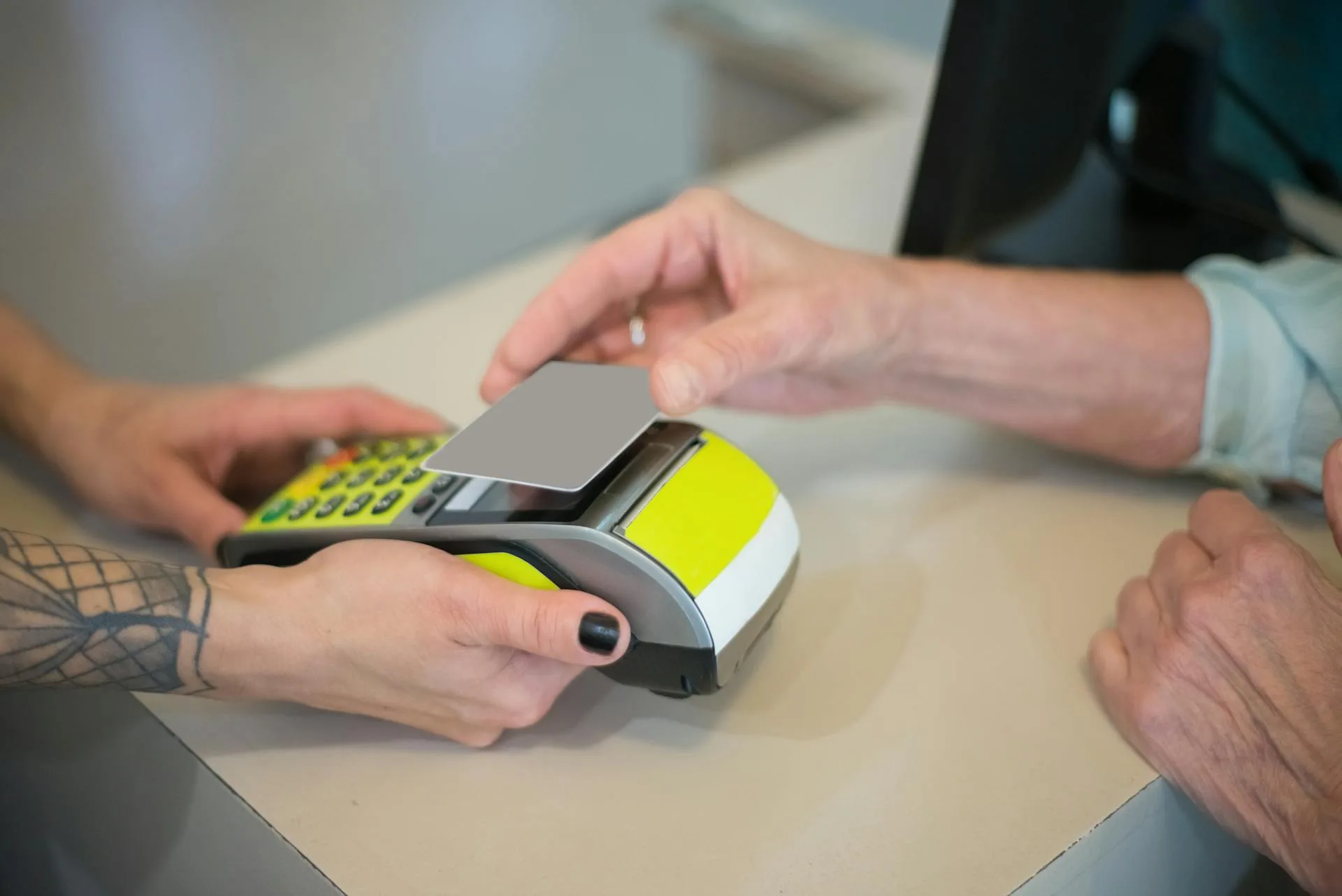
Short answer: keep several options ready
A safer arrival setup is a modest amount of cash, at least two working cards from different banks, access to your banking app, a backup way to contact your bank, and a clear plan for larger payments. This is not financial advice: fees, limits, and service availability can depend on your bank, card, nationality, status, and city.
Where cash still solves the problem
Vietnam.travel Plan your trip says Vietnam’s currency is the Vietnamese dong and cash is generally used for small purchases. That matches everyday life: street food, markets, parking, laundry, small repairs, and many local services are often simpler with banknotes.
Do not carry all your cash at once or keep it in one place. For a normal day, smaller notes are more useful because a small vendor may not have change for a large note.
Plan exchange and withdrawals ahead. Getting your first cash at the airport can be convenient, but for larger expenses it is worth comparing exchange rate, fee, and ATM limits.
If you need to exchange currency in Vietnam, you can also check this Telegram bot option: currency exchange in Vietnam.
Cards and ATMs: what to check before paying
Vietnam.travel Plan your trip notes that many hotels, tour operators, boutiques, restaurants, and grocery stores accept international debit and credit cards, and that ATMs are widely available across the country. That still does not mean every card will work in every terminal.
Before traveling, enable international transactions, check limits, save your bank support number, and bring a backup card. At checkout, watch the billing currency: when a terminal offers conversion to your card currency, paying in VND and letting your own bank convert is often better.
ATM limits and fees differ. If you need cash for a deposit, rent, or medical payment, do not leave the withdrawal until the last hour: your card may ask for confirmation, the ATM may cap the amount, or your bank may block an unusual transaction.
QR and bank transfers: convenient, but not universal
NAPAS VietQR service describes VietQR as a service where customers transfer money from their own account to an account at a NAPAS member bank by scanning a QR code. That is why QR payments are especially convenient for people who already have a working local bank account or supported payment tool.
If you are visiting short-term and do not have a Vietnamese account, do not assume every checkout QR will work with a foreign app. Sometimes you can pay by card, sometimes in cash, sometimes through a trusted contact or service, but it should be clarified before ordering or paying a deposit.
For larger transfers, check recipient, payment purpose, amount, currency, fee, and confirmation. Messenger history is better than a verbal agreement, but housing and expensive services should still have a clear contract or at least an invoice with terms.
Housing, transport, clinics, and services
For housing, ask in advance how the deposit and monthly rent are accepted: cash, transfer to the owner’s account, card through a platform, or another method. Clarify who receives the money, what counts as proof of payment, and when the deposit is returned.
Transport also varies. An app may accept a card, a driver may want cash, and an intercity operator may ask for a transfer or website payment. If the trip matters, check payment method before booking.
In clinics and service companies, card payment is often convenient, but before a procedure or expensive service you should ask about fees, currency, insurance invoice options, and refund rules if plans change.
Common mistakes
- Arriving with one card and no cash reserve.
- Assuming every QR code works with a foreign bank.
- Paying a housing deposit without address, refund terms, and recipient confirmation.
- Withdrawing a large amount at the last minute before payment.
- Missing the billing currency and accepting terminal-side conversion by default.
Small setup before leaving home
- Two cards from different banks or payment networks.
- Cash for the first days and small expenses.
- Working banking app and access to SMS or push confirmations.
- Withdrawal and payment limits checked before departure.
- A payment plan for housing, deposit, clinic, and transport.
Need to understand how to pay in your case?
Describe your city, stay length, nationality, banks, cards, housing, and larger payments. We can help build a practical payment setup without promises that depend on a bank or status.