Living in Vietnam Without a Local Bank Account
You can live in Vietnam for the first weeks or months without a Vietnamese bank account if payments are split between cash, foreign card, ATM withdrawals, transfer services, and clear recipient-side agreements.
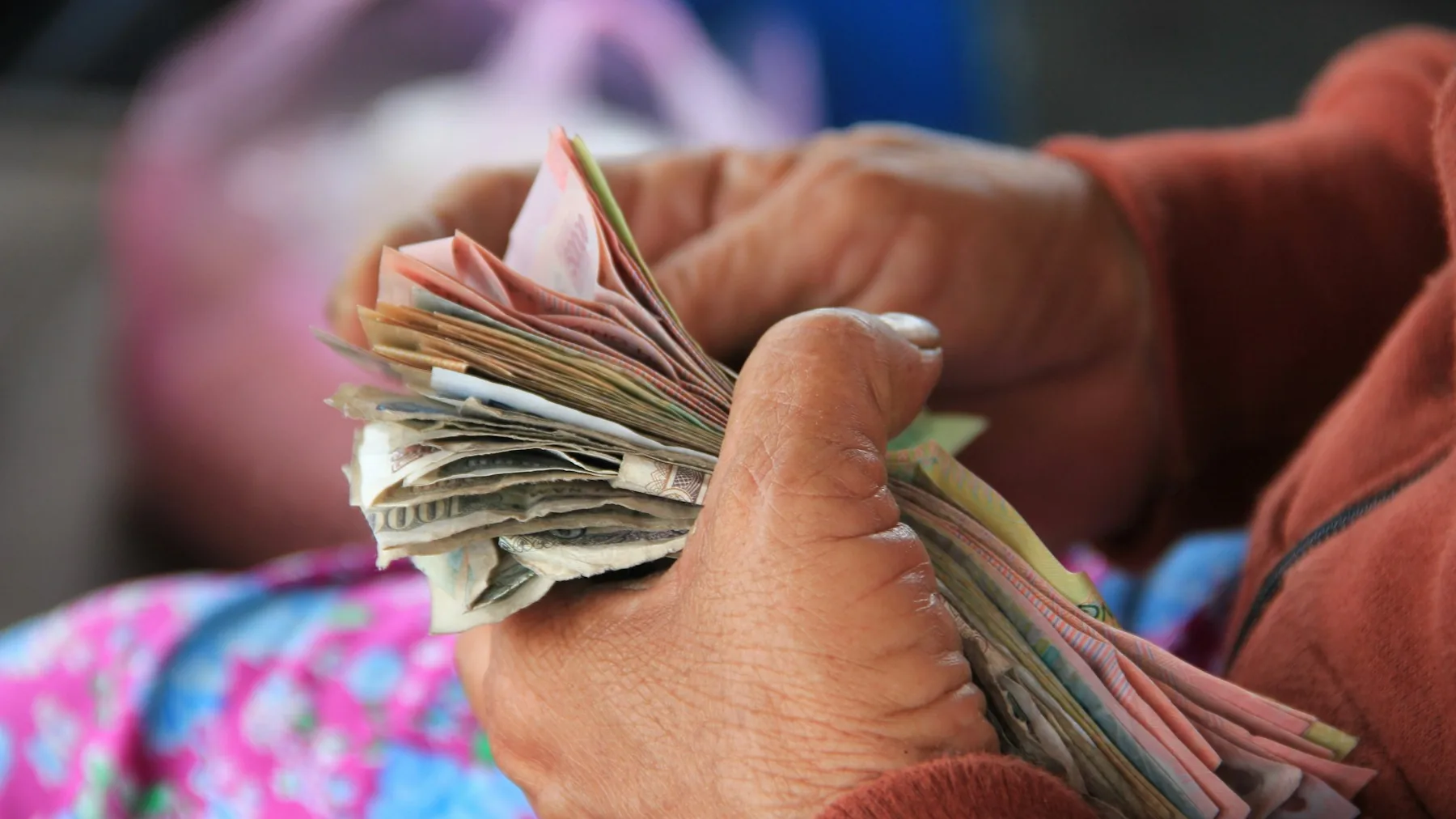
Short answer: possible, but not local-style
A workable setup without a local bank account is a cash buffer, two foreign cards, an ATM plan, a backup way to send VND to a recipient, and written receipts. The hard parts are VietQR, local bank transfers, rent, deposit, utilities, refunds, salary, and recurring payments.
What actually works without an account
Without a local bank account in Vietnam, four payment rails usually work: VND cash, foreign card, ATM withdrawals, and international transfer to a recipient bank account. This can cover the first weeks if you are not receiving local salary, running a business, or depending on daily QR payments.
Vietnam.travel says cash is useful on arrival, ATMs are available outside major airports, and international cards such as Visa are accepted at 20,000+ ATMs Vietnam.travel money guide. In practice, this means card plus cash covers more situations than card alone.
The weak point is local payment behavior. Many landlords, shops, service providers, schools, and clinics expect QR, bank transfer, cash, or card according to their own process. Before paying, ask not only “can I use card?”, but “which method gives a receipt and who is the payee?”.
Cash and ATM: the main safety layer
Keep a cash buffer for 5-7 days of living costs: housing, food, transport, mobile data, laundry, small repairs, and emergency taxi. Do not carry everything at once, but keep smaller notes for markets, parking, delivery, water, and household help.
ATMs are useful for replenishing cash, but check your bank daily limit, the machine limit, foreign transaction fee, possible DCC exchange, and SMS/app confirmation. Wise notes that many Vietnamese banks charge ATM fees, often around 30,000-55,000 VND per withdrawal, with some ATMs higher Wise ATM guide for Vietnam.
If a terminal offers to charge USD, EUR, or your home currency, paying in VND is often cleaner because your issuing bank handles conversion. Before a large withdrawal, do a small test: card, PIN, receipt, limit, fee, and app notification should work before rent or deposit day.
Cards: useful, not universal
A foreign card is more likely to work in hotels, larger supermarkets, malls, clinics, airlines, apps, and some cafes. It may not work at small shops, with repair people, private building managers, or apartment owners.
Carry two cards from different banks or networks, enable travel notice if your bank requires it, and test 3-D Secure, push/SMS codes, and app login outside your home SIM. If one bank blocks a transaction, you need a second payment path now, not after a support call tomorrow.
For recurring expenses, keep a simple log: date, amount VND, USD equivalent, cash/card/transfer, receipt photo, and payee. Without a local bank statement, this becomes your home accounting for deposit, rent, utilities, and refunds.
VietQR and QR payments without a local account
Key limitation: QR in Vietnam is often not “any QR”, but a banking flow around a local account. NAPAS describes VietQR as a QR transaction service for bank accounts issued by 50+ NAPAS member banks NAPAS VietQR service. If you do not have such an account in a bank app, you often cannot scan and pay VietQR like locals.
Workarounds: ask for a card terminal or cash option, request bank details for an international transfer, pay through a platform where your card works, or use an assistant only with written confirmation of payee, amount, purpose, and receipt.
Do not send money to a random personal account described as a friend of the owner without chat records and a receipt. For rent and deposit, it must be clear who the landlord is, who the owner/manager is, which apartment is covered, which period is paid, and what happens if payment arrives late.
Sending VND to a recipient
If the recipient can accept a bank transfer, providers such as Wise can solve some cases. Wise says you can send money to Vietnam and the recipient gets VND directly from Wise’s local bank account Wise send money to Vietnam, while its VND guide says VND transfers go to individual and business bank accounts in Vietnam Wise VND transfer guide.
Before sending, check recipient name, bank name, account number, amount, expected arrival time, fee, exchange rate, and refund path. For rental deposit or rent, send only after you have a contract or written agreement, the recipient’s role, and a clear link to the property.
International transfer is not always an urgent-payment tool. If the owner expects money today by 18:00, keep a fallback: cash withdrawal, card, partial payment with receipt, or postponing the signature until arrival is confirmed.
Rent, deposit, and utilities
The most common pressure point without a local account is rent, deposit, and utilities. Possible methods are cash with receipt, card/platform payment, international transfer to the owner account, payment at a building management office, or helper payment with written confirmation. Every method should leave a trail: receipt, chat confirmation, photo of a signed page, or invoice.
In the contract or chat, fix amount in VND, period, apartment address, landlord/owner name, deposit rule, utilities formula, electricity/water readings, due date, late fee, and refund method. If paying cash, the receipt should include payee, payer, amount, purpose, date, and signature.
Before the first housing payment, use the separate rental deposit and contract checklist: it covers contract checks, move-in record, furniture list, meters, and deposit return terms.
When life without an account gets awkward
A local account becomes close to necessary if you receive salary in Vietnam, pay VietQR often, sign a long-term lease, put utilities in your name, expect insurance reimbursement, pay a school, run a business, or want recurring local transfers without intermediaries.
If you plan to stay longer, do not wait until the first large payment failure. Map your payments first: where cash is needed, where foreign card works, where bank transfer is required, where platform payment works, and where the owner requires local QR.
Use first-month budget guide for first-month planning and how to pay in Vietnam for a broader view of cash, cards, QR, and transfers. That separates “I can live now” from “this is comfortable for six months”.
Mini checklist before moving in without an account
- Cash buffer for 5-7 days is separate from your cards.
- You have two foreign cards and access to bank app/OTP abroad.
- You know ATM limit, bank fee, likely exchange fee, and daily withdrawal cap.
- Owner/landlord confirmed how to accept rent, deposit, and utilities.
- Every payment has a receipt, invoice, or chat confirmation.
- VietQR is not treated as your main payment method until you have a local bank account.
- You have a fallback for declined card, closed ATM, or delayed transfer.
Red flags
- You are asked to send rent/deposit to an unrelated person without a clear role.
- Owner refuses a receipt for cash or writes only “ok” without amount and period.
- Someone says “any QR works” without testing your app.
- A large deposit is requested before apartment viewing and payee check.
- Your whole setup depends on one card, one phone, and one SIM.
- ATM and conversion fees are not included in the monthly budget.
Want a payment plan without a local account?
Send city, stay length, housing setup, cards, income currency, large payments, and bank limitations. We can map cash, card, ATM, transfers, rent, deposit, and receipts into a safer scenario.