Vietnam Move Checklist: Documents, Money, SIM, Housing, and Insurance
This checklist is not for pretty planning. It is for a calmer start: what to close before departure, what to keep at hand, what to check in the first 72 hours, and what not to prepay too early.
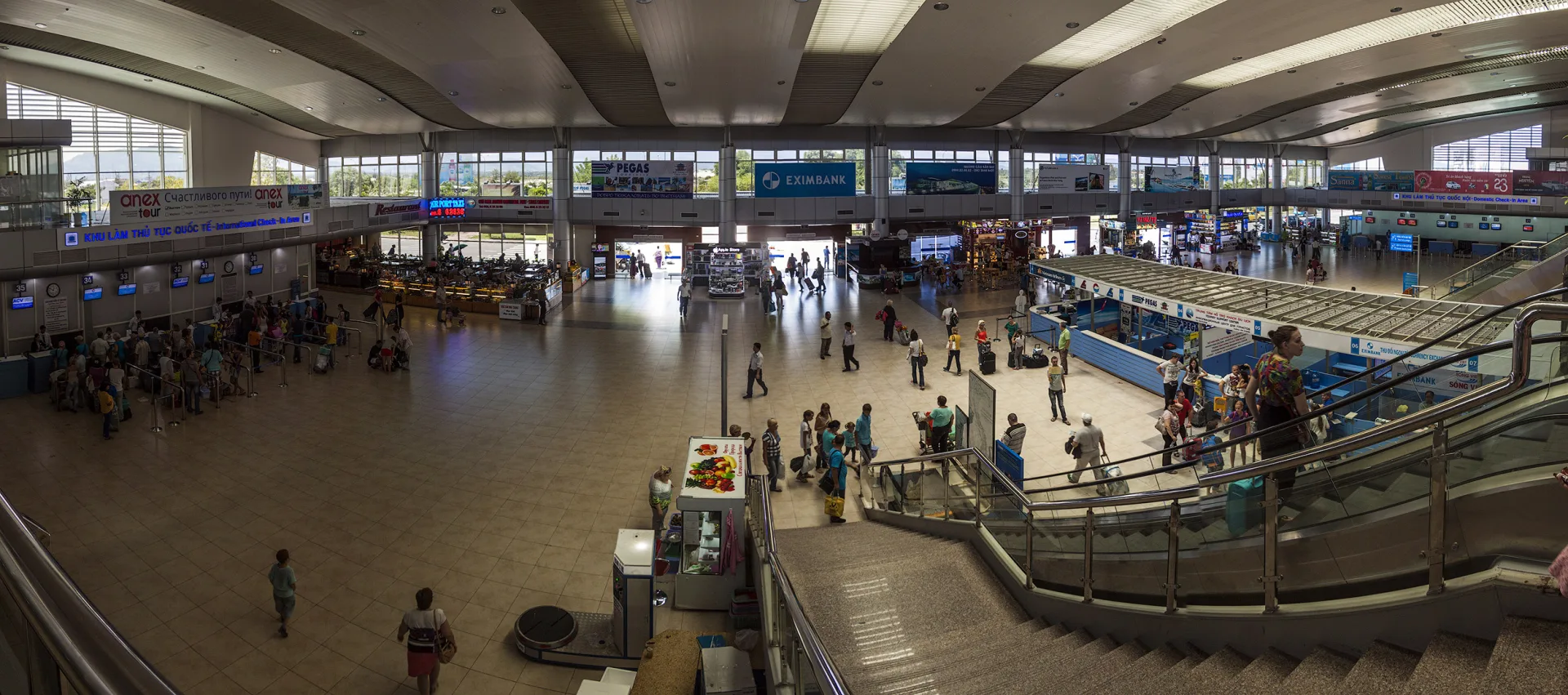
Build your Vietnam move around risks, not luggage
Before a long stay, the real questions are: can you enter, can you pay for the first weeks, will you have connection after landing, where will you sleep the first night, who helps if you get sick, and can you recover access if your phone or card is lost.
1. Entry, passport, and stay duration
Start with entry, not packing. For e-visa, use the official portal Vietnam e-Visa official website; Vietnam.travel visa requirements says Vietnam grants e-visas for citizens of all countries and territories with 90-day stay duration and valid for multiple entry. Your exact scenario still depends on citizenship, passport, dates, purpose, and route.
Do not copy another traveler’s visa logic. A Russian, Belarusian, Kazakh, Ukrainian, Uzbek, EU, UK, US, or Australian passport can mean different practical steps at airline check-in and border control. If your plan includes exit and re-entry, changing airports, or staying close to the expiry date, check the route before paying for non-refundable plans.
Check passport validity, blank pages, name match in ticket and visa, entry port, arrival date, exit date, single or multiple entry, onward travel rules from your airline, buffer days before expiry, and what you will do if a flight is delayed.
2. Documents: save and print the right things
Create two sets: digital and paper. The digital folder should include passport, e-visa or visa exemption notes, tickets, insurance, first-night address, housing contacts, driver or transfer, bank numbers, emergency contacts, prescriptions, and key medical documents. The paper minimum is passport copy, e-visa PDF, insurance, address in English and Vietnamese, and phone numbers that work without internet.
Do not keep everything on one phone. Save copies in cloud, email them to yourself, keep an offline folder, and leave access with a trusted person. If your phone is lost in a taxi or locked, you still need to show document details, insurance, and address.
Do not send passport and visa scans to random intermediaries from Facebook, Telegram, or Zalo without a clear reason. If an agent, landlord, or service asks for documents, ask why, what data is needed, and whether unnecessary fields can be covered on a copy.
3. Money for the first weeks
You do not need one perfect payment method; you need several independent layers: cash USD/EUR or another exchangeable currency, starter VND, main card, backup card, emergency transfer route, and a realistic exchange plan.
Budget for airport transfer, SIM/eSIM, water and food, first shopping, laundry, household basics, housing deposit, medical expenses before insurer approval, and several days of taxis. If you arrive without a Vietnamese bank account, some QR payments and local transfers may not be available, so cash reserve still matters.
Smartraveller Vietnam travel advice warns about card skimming, card fraud, scams, and theft after ATM withdrawals. Use ATMs in banks, shopping centers, or reputable locations, do not withdraw your whole reserve at once, cover PIN, check the amount, and keep backup card away from your phone.
4. Connection, apps, and access
Before departure, decide whether you need internet immediately after landing. If you arrive at night, with children, heavy luggage, or no local pickup, a first-day eSIM may be more practical than searching for an operator counter.
Operator pages such as Viettel tourist SIM service can help benchmark tourist packages, but airport SIM should not automatically be your long-stay solution. After arrival, compare Viettel, VinaPhone, and MobiFone by coverage in your district, indoor speed, top-up, hotspot, and renewal terms.
Install Google Maps offline, Google Translate, Google Lens, Zalo, WhatsApp, Telegram, Grab, Xanh SM, Maxim, inDrive, banking app, insurer app, airline app, and cloud app before departure. Check 2FA, backup codes, SMS roaming, recovery email, and access to Telegram/WhatsApp on a new device.
5. Housing: first nights and long lease
Split housing into two decisions. First: safe 3-7 nights after arrival with clear address, late check-in, Wi-Fi, extension option, lift if needed, reasonable reviews, and clear airport route. Second: long-term rent after you have viewed district and apartment.
Do not pay a long deposit from photos alone. Before contract, check noise, construction, smells, mold, internet, air conditioners, meters, water pressure, kitchen, mattress, curtains, parking, laundry, shop and clinic route, building manager, and residence declaration.
In Nha Trang, compare tourist center, north side, An Vien, VCN, and areas behind the railway. In Da Nang, check My Khe, An Thuong, Son Tra, Hai Chau, and Ngu Hanh Son not only by map, but by bridge routes, noise, heavy rain, construction, and shop access.
6. Insurance, medication, and clinics
Vietnam.travel health and safety guidance recommends buying insurance before travel, consulting a doctor or travel clinic, and preparing medication. For a long stay, go further: read exclusions and confirm outpatient care, motorbike, dengue, evacuation, dental, chronic conditions, pregnancy, sea activities, sport, and trip extension.
Create a medical folder: policy number, assistance phone, email, direct billing or reimbursement rules, clinic list in your city, prescription photos, generic medicine names, allergy list, chronic conditions, and emergency contact. Do not wait to search for this in a chat when fever is already high.
Carry medication in original packaging with prescription or doctor note where needed. For medication related to anxiety, sleep, pain, ADHD, depression, and other controlled categories, check restrictions before departure because rules may differ from your home country.
7. Transport and first routes
Before departure, decide your airport route: app, hotel pickup, trusted driver, or pre-agreed transfer. For Cam Ranh to Nha Trang, Da Nang airport to My Khe/An Thuong/Hoi An, Tan Son Nhat to District 1/Thao Dien, and Hanoi airport to Old Quarter/Tay Ho, improvising after a long flight is a weak plan.
Check Grab, Xanh SM, Maxim, and inDrive before arrival: phone number, payment method, cash, pin, English and Vietnamese address. With luggage, confirm car type, luggage, parking, tolls, waiting, child seat, and final VND price.
Do not put motorbike rental into the first-week checklist as a must-do. First understand licence, insurance, deposit, traffic, helmet, parking, and rental terms. If uncertain, use taxi apps, a driver, or walking routes inside one district for the first weeks.
8. Residence declaration after move-in
If you stay in a hotel, the hotel usually handles declaration. If you rent an apartment, ask the owner or manager who submits the temporary residence declaration and when. It can matter later for paperwork, banking questions, housing disputes, and official contact.
Vietnam Ministry of Public Security residence declaration platform update has reported a unified system for temporary residence declarations for foreigners and lodging notifications. Practical process can still differ by city, district, housing type, and landlord readiness. Ask for confirmation without posting personal data in open chats.
When you move to a new apartment or stay with friends, do not leave the old address as default. Add to move-in checklist: who declares residence, what documents are needed, when confirmation is available, and what happens when you extend the lease.
Keep in hand luggage
- Passport, printed e-visa or visa exemption notes, tickets, insurance, first-night address.
- First-day cash, backup card, bank phone number, and quick card-blocking route.
- Medication for 3-7 days, prescriptions, glasses or lenses, airline-compliant power bank.
- Charger, adapter, offline maps, driver/hotel/insurer/consulate contacts.
- First-24-hour clothing in case checked luggage is delayed.
First 72 hours after landing
- Connect SIM or eSIM, check messengers, maps, and bank access.
- Exchange a small starter amount into VND, not the full reserve.
- Reach housing through the planned route and save address in Vietnamese.
- Confirm who handles residence declaration if it is not a hotel.
- Walk the district by day and evening: shops, pharmacies, clinic, noise, rain route.
- Do not sign a long lease or rent motorbike before area, documents, and insurance are clear.
Need a personal Vietnam move checklist?
We can review your route, citizenship, budget, city, first nights, documents, and build a short plan without unnecessary payments or risky decisions.