Useful Contacts and Local Checklist for Vietnam
In Vietnam, knowing 113, 114, and 115 is not enough. Build your own contact stack in advance: consulate, insurer, clinic, driver, landlord, building manager, bank, local helper, tourist support, and weather alerts.
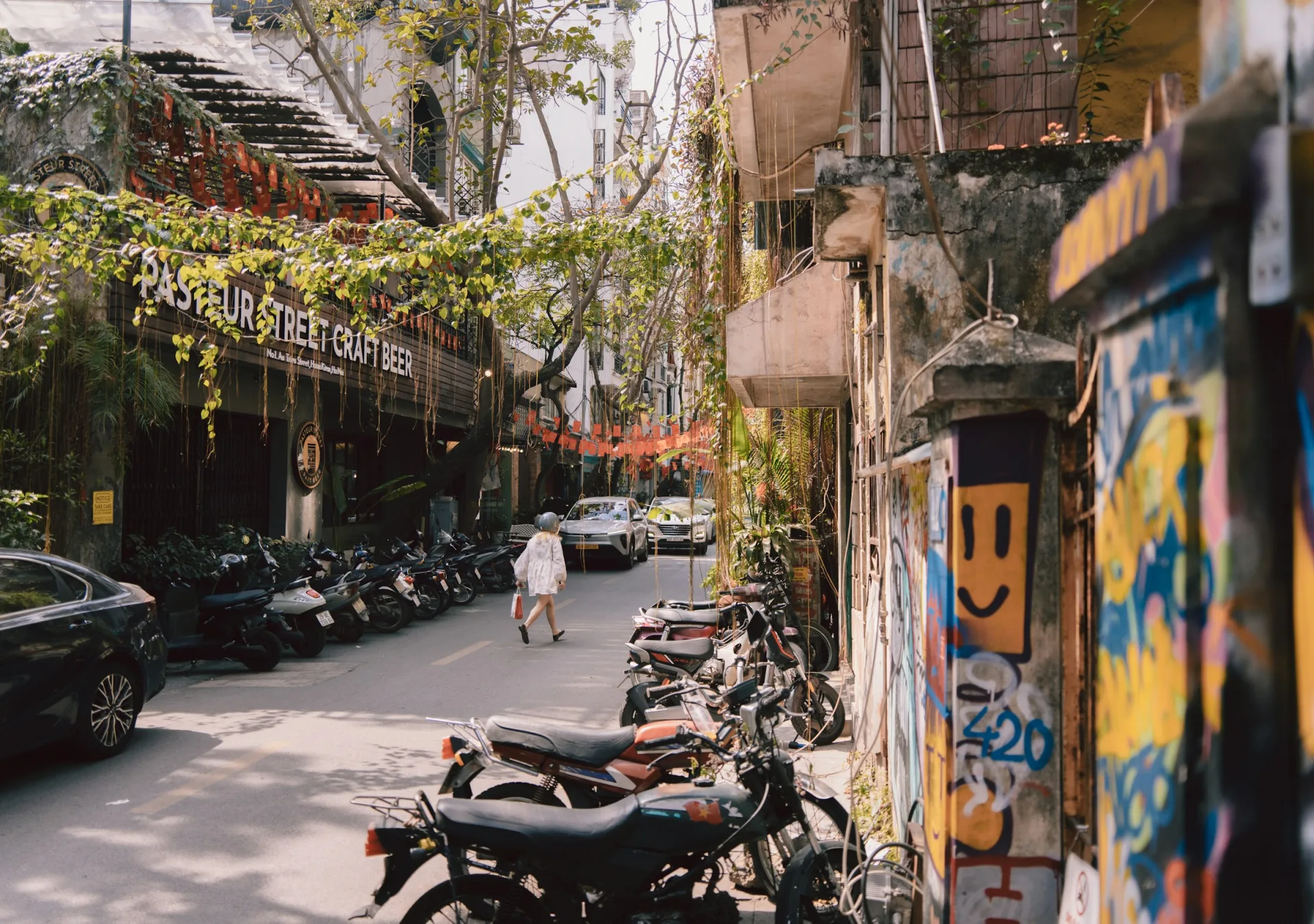
Save contacts before you need them
The best emergency list is already in your phone, cloud storage, and a paper note. If your phone is lost, a child is sick, flood starts, your passport is stolen, or a driver does not arrive at Cam Ranh at night, search is already too late.
First layer: numbers to save now
GOV.UK Vietnam getting help lists Vietnam emergency numbers: police 113, fire 114, ambulance 115, national search and rescue 112, and child protection hotline 111. In practice, these do not replace a clinic, insurer, and local helper because emergency numbers are operated in Vietnamese.
Save them in contacts and in a note headed Vietnam emergency. Add English and Vietnamese labels: Police / Công an 113, Fire / Cứu hỏa 114, Ambulance / Cấp cứu 115. That makes it easier to ask hotel staff, security, or a driver to call for you.
If there is no immediate danger, do not start with 113. For a service dispute, lost item, bad transfer, or overcharging, first collect photos, receipt, address, vehicle plate, chat screenshots, service name, and contact your hotel, landlord, tourist support center, or local helper. Police is needed for theft, accident, threat, insurance paperwork, or an official police report.
Nha Trang and Cam Ranh
For Nha Trang and Khanh Hoa, save the tourist support channel. Khanh Hoa tourist support center update describes the Information and Tourist Support Center at ttdhsdl.khanhhoa.gov.vn, where visitors can find registered businesses and send requests. A separate Khanh Hoa tourist support update mentioned hotline *2258; verify it on the center website or through your hotel before relying on it.
If you live in Nha Trang, keep at least three local contacts: building manager or reception, rental agent or landlord, and a driver or transfer contact who actually replies on Zalo/WhatsApp. For Cam Ranh, add a driver for early flights, delayed arrivals, night transfer, or lost luggage.
Do not keep the only route to a person in one messenger. Driver, agent, and housing manager should have at least two channels: Zalo plus phone, WhatsApp plus phone, or Telegram plus phone. If your SIM stops working, you should still know who to message over Wi-Fi.
Da Nang, Hoi An, and Hue
Da Nang Visitor Support Center advisory on the official Da Nang tourism portal lists Da Nang Visitor Support Center: hotline *8899, Zalo/Viber/WhatsApp +84 911 153 443, and visitorcenter@danang.gov.vn. This is useful not only for sightseeing, but also for bad weather, lost items, service disputes, or safe-route questions.
In Da Nang and Hoi An, add a weather routine to your contact list: National Center for Hydrometeorological Forecasting, accommodation management, driver, tour operator, and insurer. In autumn and during storm warnings, routes to the airport, Ba Na Hills, Son Tra, Hai Van Pass, Hue, or Hoi An can change quickly because of flood, landslides, rough sea, or closed roads.
For long-term housing, save not only the owner but also building manager, security, electrician or plumber, and internet provider. Water leaks, short circuits, broken locks, or disconnected internet are often solved faster through building management than through a landlord in another city.
Consulates and serious incidents
Russian citizens should use Russian consular offices in Vietnam for official Russian-language contacts. It lists the Embassy in Hanoi and Consulates General in Da Nang and Ho Chi Minh City, including regular phones, emails, reception hours, and emergency phones: Hanoi +84-913-237-330, Da Nang +84-947-20-00-94, Ho Chi Minh City +84-903-084-588. These are for emergencies, not routine visa or rental questions.
Kazakhstan citizens should save Embassy of Kazakhstan in Vietnam with Villa 51, 10 Dang Thai Mai, Tay Ho, Hanoi, phone 8-10-84-24-37180777, and hanoi@mfa.kz. Belarus citizens should save Embassy of Belarus in Vietnam, which lists duty phone +84 (24) 37 19 29 74, emergency phone +84 (93) 646 44 32, and vietnam@mfa.gov.by.
Citizens of Ukraine, Uzbekistan, Kyrgyzstan, Armenia, and other countries should find the official MFA or embassy page for their citizenship, not a random aggregator. If your country has no embassy in Vietnam, check which mission covers Vietnam concurrently; it may be Bangkok, Beijing, Kuala Lumpur, Jakarta, or New Delhi.
Clinic and insurance
Vietnam.travel health and safety guidance recommends travel insurance with medical evacuation cover, medical advice before travel, and preparation of prescribed medicine. For life in Vietnam, this means you should have insurer hotline, policy number, nearest clinic, backup clinic, and translation help before you get sick.
For Nha Trang, Da Nang, Hanoi, and Ho Chi Minh City, save more than a clinic name: map address, phone, Zalo/WhatsApp if available, opening hours, emergency route, and payment model: direct billing, card prepayment, cash deposit, or reimbursement. If your policy requires pre-approval, the first call may be to the insurer, not the clinic.
After a visit, request documents immediately: invoice, medical report, prescription, test results, discharge summary, and payment receipt. Photograph everything and send it to the insurer the same day. If evacuation, surgery, or hospitalization is discussed, coordinate with the insurer unless life is at immediate risk.
Bank, cards, SIM, and access
Smartraveller Vietnam safety advice warns about card skimming, card fraud, scams, and theft after ATM withdrawals. Your contact list should include quick actions: bank card block line, banking app, second login route, insurer, recovery email, and backup SIM/eSIM.
Record the last four digits of cards, bank phone numbers, limits, where the backup card is, how to block a SIM, how to enter email without your main phone, and who can send emergency funds. Do not store PIN, CVV, or passwords next to these notes.
If your phone is lost in Vietnam, block banking apps and SIM, check email access, change passwords, alert the bank, remove cards from Apple Pay/Google Pay, message the insurer, and recover messengers. Turn on two-factor protection and recovery email for Zalo, Telegram, WhatsApp, and Facebook before the problem happens.
Housing contacts
Keep a separate housing note: landlord, agent, building manager, reception, security, cleaning, laundry, electricity/water contact, internet provider, parking, and repair person. In Nha Trang and Da Nang, this matters during rainy season when leaks, mold, air conditioners, meters, locks, lifts, and parking can become urgent in one evening.
In the same note, keep your address in Vietnamese, apartment number, floor, building entrance photo, house number, door code if any, deposit terms, electricity price, water price, internet, cleaning, and move-out terms. Vietnamese address format saves time when calling Grab, Xanh SM, Maxim, inDrive, couriers, or a doctor.
After move-in, upload photos of meters, contract, owner passport or agent business card, payments, and apartment condition. In deposit, repair, or utility disputes, this is often more useful than a long chat history.
Transport and routes
Save apps and people as different layers: Grab, Xanh SM, Maxim, inDrive for city rides; a known driver for airport, early departures, luggage, children, and older travelers; an agent or tour operator for complex routes; hotel or building manager for a Vietnamese-language call.
For each regular route, make a short card: Cam Ranh - Nha Trang, Da Nang - Hoi An, Da Nang - Ba Na Hills, Da Nang - Hue, Nha Trang - Doc Let, city - clinic. Include normal price range, travel time, parking/tolls, luggage, waiting, driver phone/Zalo, and backup driver.
If renting a motorbike, save rental contact, bike photos, plate number, agreement, damage photos, helmet, insurance question, and accident plan. Do not leave your passport as a deposit; ask for an alternative, deposit receipt, and written terms.
What to say if you do not speak Vietnamese
Prepare short phrases in a note and translate them in advance: “I need an ambulance”, “I lost my passport”, “There was an accident”, “I need a translator”, “Please call 115”, “I need a police report for insurance”, “My address is ...”.
For calls, keep the structure simple: who you are, where you are, what happened, injuries, number of people, address, return phone. A Vietnamese address, location photo, and Google Maps pin are often more useful than explaining the district by memory.
When asking a local person to help, do not hand over your phone with banking apps or documents open. Open only the needed contact or pre-written phrase. For medical and police issues, use someone you trust when possible: hotel staff, landlord, acquaintance, or verified helper.
Personal emergency card
Make one note called Vietnam emergency card and one paper card in your wallet. Include name, citizenship, language, blood type if known, allergies, chronic conditions, emergency contact, insurer, policy number, nearest clinic, housing address, consulate, landlord/building manager, and driver.
Do not include CVV, PIN, passwords, banking logins, or full card data. The card should help if you have no phone or cannot speak; it should not open access to your money.
For children, older parents, and people with chronic conditions, make a separate card. Add medicine, dosage, doctor contact at home, insurer, Vietnam clinic, and diagnosis translation into English and Vietnamese. For sea trips, mountain routes, and intercity travel, put the card in the bag, not only on the phone.
After an incident
Theft: get to a safe place, block cards and SIM, collect screenshots and item list, report to police if needed, message insurance, hotel/building management, and consulate if passport is gone. Do not spend the first hours arguing in Facebook groups; secure documents and access first.
Accident or injury: photos of location, plate number, driver, witnesses, insurer, clinic, invoice, medical report. If health is at risk, care comes before evidence. Do not sign a Vietnamese document you do not understand; ask for a photo, translation, and time to consult.
Typhoon, flood, or evacuation: follow National Center for Hydrometeorological Forecasting, accommodation and local authority messages, avoid flooded roads, postpone sea activity, tell your driver and insurer, keep power bank, water, cash VND, documents in a dry bag, and backup route to the airport.
Minimum contact stack to build
- 113 police, 114 fire, 115 ambulance, 112 search and rescue, 111 child protection.
- Your consulate and emergency phone: Russia, Kazakhstan, Belarus, Ukraine, or your country of citizenship.
- Insurer hotline, policy number, claims email, direct billing and reimbursement rules.
- Nearest clinic, backup clinic, pharmacy, translator, or local helper.
- Housing address in Vietnamese, landlord, agent, building manager, security, repair contact.
- Driver or transfer, backup driver, apps Grab, Xanh SM, Maxim, inDrive.
- Bank card block contact, second route into email, backup SIM/eSIM, trusted contact.
- NCHMF, Da Nang visitor support, Nha Trang/Khanh Hoa tourist support, hotel or reception.
When to re-check a contact
- The number comes from an old post, aggregator, or screenshot without an official domain.
- The contact asks for OTP, CVV, PIN, password, bank QR, or card photo.
- You are rushed into deposit transfer without address, agreement, object photos, and written terms.
- A “police”, “immigration”, or “embassy” number arrived from a random chat.
- A driver asks to cancel the app and ride without a fixed price.
- A clinic requests a large payment before insurer coordination, while there is no immediate life risk.
- A landlord or rental shop asks for original passport as a deposit for an everyday service.
Need a practical local contact setup?
We can help build a personal checklist for your city, housing, insurance, documents, transport, and everyday scenarios in Vietnam.