Rental Risks in Vietnam: Area, Noise, Internet, and Utilities
In Vietnam, apartment photos and rent price are only the start. You live with the area, noise, humidity, internet, meters, parking, bills, and building rules. These risks should be checked before deposit.
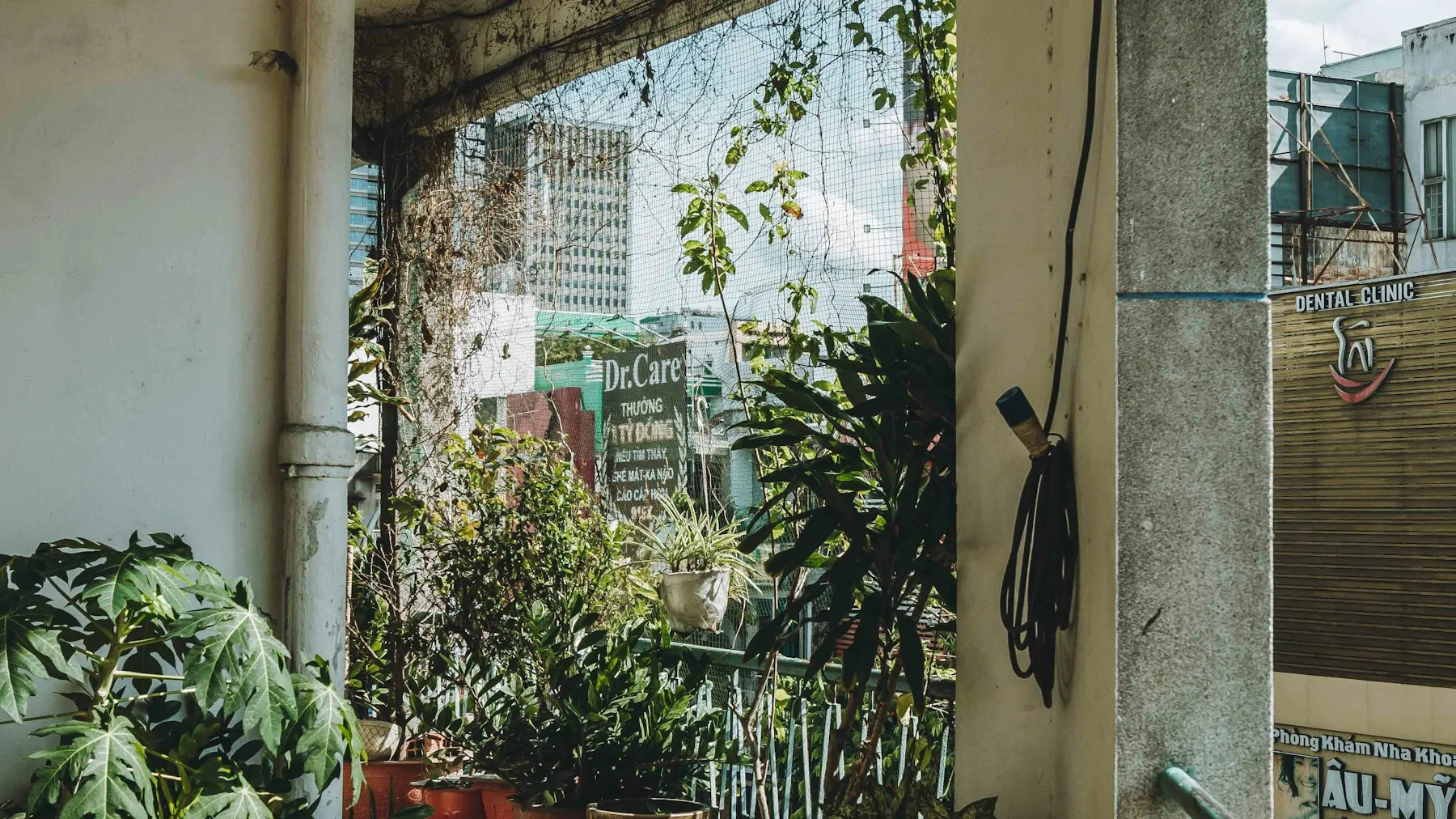
Short answer: inspect the daily living routine, not only the unit
Before paying, ask how you will sleep, work, do laundry, cook, pay bills, park a motorbike, receive deliveries, and get home after rain. Nice interior does not fix karaoke next door, weak Wi-Fi, expensive electricity, mold, road noise, a dark alley, or owner/manager silence on repairs.
Area matters more than the window view
The same apartment can be fine for a tourist week and poor for a six-month resident stay. Area determines noise, transport, nearby food, humidity, clinic access, delivery, parking, evening safety, and how often you pay for taxis instead of walking.
In Nha Trang, check sea proximity, tourist streets, markets, bars, construction, low alleys, and route to your real daily area; local search logic is covered in Nha Trang apartment guide. In Da Nang, area changes almost everything: beach side, Han River, My An/An Thuong, Son Tra, Hai Chau, Hoa Xuan, and Hoi An direction all differ by noise, rain, bridges, and transport; see Da Nang housing guide.
View the area more than once. Morning can be quiet, construction can start later, karaoke or bars can open in the evening, and after heavy rain you see drainage and building access. For long stay, one 11am viewing is not an area check.
Noise: karaoke, construction, road, school, and neighbors
Common noise sources include karaoke, bars, coffee shops with speakers, construction, renovation in nearby units, schools, busy roads, lifts, pumps, generators, dogs, roosters, motorbike parking, and restaurant kitchens. In Vietnam, noise can arrive in waves: quiet in daytime, loud on Friday evening or at 6:30am.
For Da Nang, local apartment guides explicitly recommend checking construction and karaoke risk before signing Fabulous Nomad Da Nang rental guide. The same habit works in Nha Trang, Ho Chi Minh City, Hanoi, and Phu Quoc: ask owner/manager in writing whether there is nearby construction, karaoke, bar, school, or night business, and whether deposit is returned if noise makes the apartment unlivable.
The check is simple: stand inside for ten minutes with windows closed and ten with windows open, record a short video with sound, ask a neighbor or guard, look around on Google Maps, and walk the block at night. If noise is obvious during viewing, it will not become quieter after move-in.
Internet and mobile signal
Vietnam generally has good internet, but a specific apartment can still be bad for work. In 2025, the government portal wrote that fixed broadband subscription rate reached 24.4 per 100 inhabitants and household fiber-optic usage climbed to 85.3 percent Vietnam Government broadband update. That is useful context, but it does not guarantee stable Wi-Fi in your bedroom or workspace.
Test internet where you will work: desk, bedroom, balcony, and near the router. Run speed test, video call, small file upload, and mobile hotspot. Ask whether it is a separate fiber line, shared building internet, floor router, temporary modem, or Wi-Fi from another room. For remote work, shared building internet is a risk, especially at night.
Check mobile signal with your SIM. Inner units, high-rises, thick walls, and some beachfront towers can weaken reception. If Wi-Fi fails, mobile internet should be a backup, not a second problem.
Utilities and hidden costs
Do not compare rent alone. Full price includes electricity, water, internet, cleaning, parking, management fee, trash pickup, gas, laundry, elevator/card fee, pool/gym fee if any, and minor repairs. In serviced apartments some items may be included; in standard apartments more items are separate.
Nha Trang Real Estate FAQ lists recurring costs such as electricity, water, gas, internet, TV, management fee, trash pickup, security, parking, and corridor cleaning Nha Trang Real Estate FAQ. Nha Trang contract guidance also warns that contracts should state electricity and water rate, internet, trash, parking, management or cleaning services NhaTrang4Rent contract guidance. “All included” without a limit and item list is weak.
For electricity, ask specifically: government rate, building rate, commercial rate, or fixed owner rate? EVN publishes official retail electricity tariff tables EVN retail electricity tariff, but as a renter your practical task is to know how owner/manager calculates your bill, where meter readings are, and whether the rate is written in contract.
Humidity, rain, mold, and drainage
A major Vietnam housing risk may not show in photos: damp walls, mold behind wardrobes, balcony leaks, poor street drainage, weak bathroom ventilation, and air conditioning that cannot keep up. This matters near the sea, on low floors, in older buildings, and dense neighborhoods.
Seasonality matters more in Central Vietnam. Vietnam Airlines writes that rainy season around Hue, Da Nang, and Hoi An usually falls in September-November, with October often the wettest and most storm-prone month Vietnam Airlines rainy season guide. For Da Nang rent, check entrance after rain, lift, parking, ceiling, windows, balcony, smell, and route home.
Ask for video after rain or do a second viewing. A dry apartment after three sunny days does not show rainy-season behavior. If owner/manager avoids questions about leaks, mold, or drainage, treat that as a risk.
Parking, delivery, trash, and daily logistics
For everyday life, check where motorbike or bicycle parking is, whether there is guard, camera, roof cover, card access, e-bike charging rules, guest parking, and night access. If parking is “on street”, check whether the street closes, floods, and who is responsible for theft or damage.
Check delivery and address quality: whether Grab, Xanh SM, Be, Shopee, Lazada, and food delivery can find the building, whether there is a Vietnamese address, landmark, building name, and guard phone. In small alleys, delivery may call every time; in large buildings, reception, parcel room, and delivery parking rules matter.
Trash and cleaning affect daily comfort. Ask where trash goes, pickup hours, whether smell reaches the unit, and who cleans corridor, stairs, lift, pool/gym, and common areas. A garbage point under your windows or near the entrance usually appears during evening walk, not in a listing.
How to put risks into the contract
If a risk matters, turn it into a written term. Examples: electricity rate, water rate, internet included up to specific plan, parking included, cleaning schedule, repairs before move-in, no known construction, deposit return timing, early termination if apartment becomes unlivable due to construction or major leak. The separate rental deposit and contract checklist covers deposit and party roles.
Before keys, use apartment inspection checklist: meter readings, Wi-Fi, mobile signal, air conditioners, bathroom, kitchen, furniture list, damage photos, and move-in record. If you are still choosing format, compare short-term, monthly rent, and long-term lease in short-term vs long-term rent guide.
Do not ask owner/manager to “clarify” generally. Ask concrete questions: “Electricity is 4,000 VND/kWh? Water is 100,000 VND/person? Internet private router? Parking included? Any construction or karaoke nearby? Can you register temporary residence for foreigner?” Keep answers with the contract.
What to check before deposit
- What happens around the building in the morning, evening, weekends, and after rain?
- Is there construction, karaoke, bar, school, busy road, market, restaurant kitchen, or pump noise?
- Can you record video with sound inside the unit and on balcony?
- Is Wi-Fi private or shared by building/floor?
- Does your SIM have mobile signal in bedroom and workspace?
- What are exact rates for electricity, water, internet, cleaning, parking, and management fee?
- Where are meter readings and who sends bills?
- Is there mold, damp smell, leaks, poor drainage, or wet building entrance?
- Who handles repairs, common areas, trash, and parking?
- Can noise, repair, utility, and early exit terms be written down?
Red flags
- Listing shows only interior, not street, entrance, parking, and balcony view.
- Owner/manager says “quiet” but avoids written answers about karaoke, construction, and bars.
- Wi-Fi is shared, but the apartment is marketed as remote-work friendly.
- Electricity/water rate is missing from contract or changes in chat.
- There is damp smell, fresh patch paint, ceiling stains, or mold behind furniture.
- No clear answer on who fixes air conditioner, internet, pump, drain, or leaks.
- Long-stay discount is offered, but early termination for noise/construction/leaks is not written.
Want a rental risk review before deposit?
Send city, area, stay length, apartment video, utility terms, and contract. We can help organize owner/manager questions and compare area, noise, internet, bills, and deposit risk before payment.