Humidity, Mould and Air Conditioning: Everyday Home Care in Vietnam
A flat can look good when you move in, yet a week later the towels are still damp, the wardrobe smells musty and the air conditioner starts dripping onto the floor. For a stay in Nha Trang or Da Nang, it helps to establish a simple routine: monitor humidity, dry belongings and know whom to contact about a leak. Check where the water is coming from before buying a dehumidifier. If rain enters a wall or a pipe leaks, an appliance will not repair the cause. Here is how to adjust everyday habits and recognise when you need a technician.
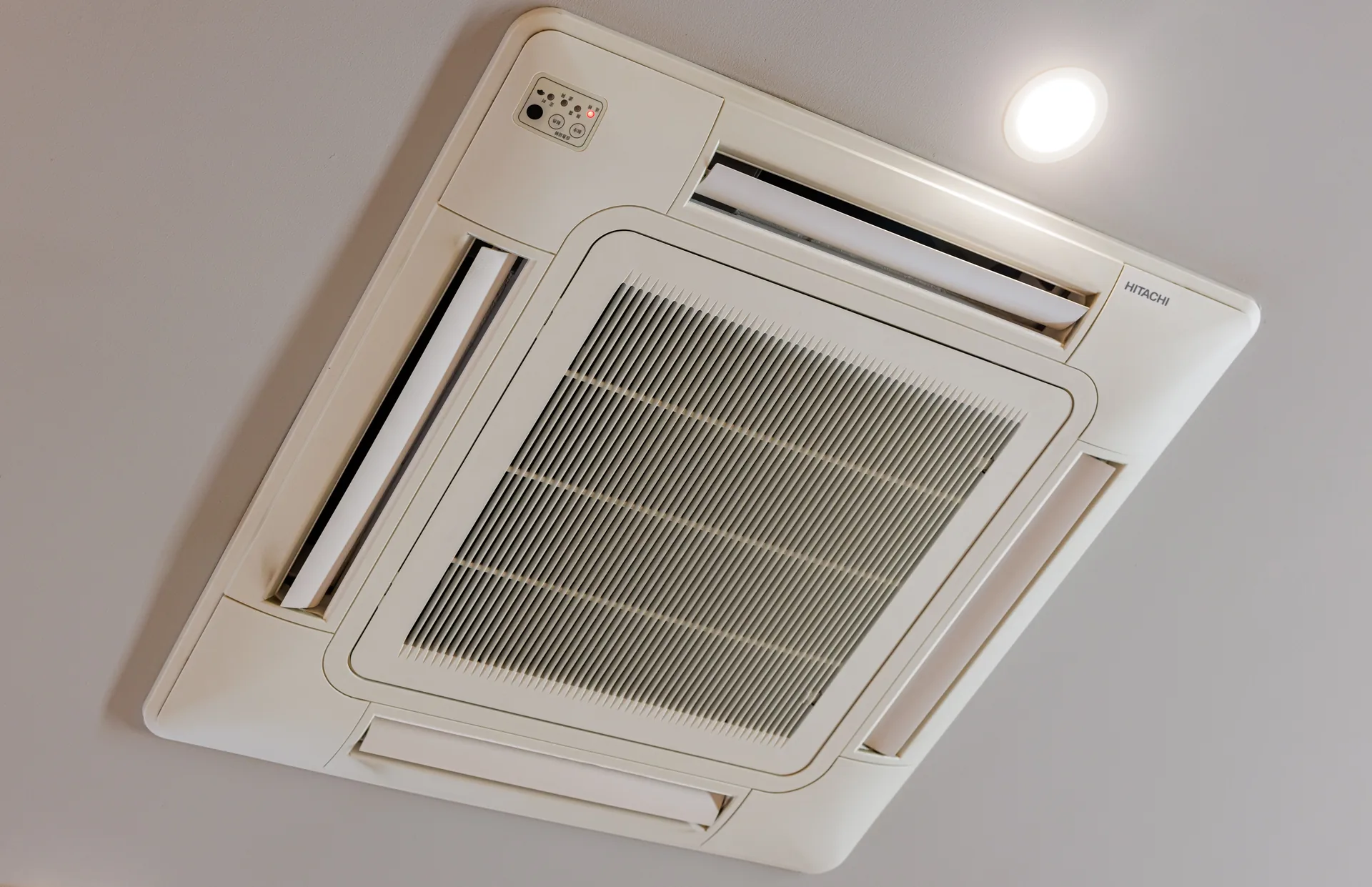
Start by finding where the moisture comes from
A cool room and dry belongings are different outcomes. Rather than relying on how the air feels, start with a hygrometer and look at where water appears. EPA’s room-by-room guide shows common trouble spots: windows, wardrobes, under the sink and walls with damp patches. The table below helps you choose a first step, but does not diagnose the cause. If water reaches an appliance or socket, do not touch wet equipment; contact the person responsible for the property immediately.
| Observation | First step | What to establish |
|---|---|---|
| Several areas feel damp | Record humidity and temperature; check extraction and laundry drying | How readings change after a shower, rain or appliance use |
| A wall patch grows after rain | Photograph it and tell the landlord | Whether the window, exterior wall or roof needs checking |
| Water under the sink | Make space for inspection; do not hide the patch behind belongings | Whether a plumber needs to check joints and pipes |
| Water from the indoor unit | Stop using it and arrange a technician with the landlord | The cause of the leak and a check after repairs |
| A musty wardrobe with visible spots | Inspect belongings and the back panel without dismantling it | Whether there is a wet wall, damaged material or recurring mould |
1. Follow humidity over time, rather than one reading
Place a hygrometer in the living area according to its instructions, away from the direct air conditioner airflow and splashes. For a few days, record readings in the same place morning and evening, and after showers or drying laundry. Note the temperature and appliance mode. This small personal log helps identify when the flat gets damp and whether a change helps.
EPA recommends relative humidity below 60%, ideally 30–50% where possible. Treat this as home-care guidance, rather than a Vietnamese legal standard or a guarantee against mould. The percentage depends on temperature, so readings from different rooms or outdoors need context. A wet patch still needs attention even when the reading in the middle of the room looks acceptable.
A leak should not wait for a week of monitoring. Report it promptly and arrange a repair. EPA advises drying water-damaged areas and belongings within 24–48 hours; this is not a reason to delay until tomorrow. Do not open walls or work on electrical installations to search for a hidden source.
2. Remove moisture from showers, cooking and laundry
Check where air from the bathroom and kitchen goes. Extraction to outdoors helps remove moisture at its source; a kitchen hood that only filters air and returns it to the room performs a different task. Use extraction while showering and cooking. Hang towels so they can dry, and keep wet umbrellas and shoes out of closed cupboards. EPA’s room-by-room guide explains these sources of moisture.
Choose ventilation according to weather and outdoor air quality. EPA’s mould prevention guidance distinguishes ventilation with cool, dry outdoor air from dehumidification when it is warm and humid outside. Keeping a window open throughout damp, rainy weather can work against drying the room. Close windows in the space while dehumidifying; arrange ventilation separately when conditions suit it. Check how readings change afterwards.
For laundry, first consider a balcony, a tumble dryer or a laundry service. If you must dry it indoors, choose somewhere moisture can be removed and avoid filling a small bedroom with several wet loads at once. A better drying location can be more useful than continually increasing cooling beside your bed.
3. Understand air conditioner modes and maintenance
Daikin explains the distinction: COOL primarily lowers temperature, while DRY is intended to reduce humidity. During dehumidification, water condenses inside the unit and leaves through the drain. FAN ONLY moves air; it does not perform that water-removal process. Check mode names and available settings against the model on the unit and its instructions.
Avoid trying to cure dampness with the lowest temperature on the remote. Choose comfortable conditions and monitor humidity: DRY may also cool the room, and results depend on the equipment and moisture load. There is no universal promise that an hour of DRY solves mould. If humidity remains high at a comfortable temperature, discuss a suitable dehumidifier and the source of the moisture.
Some units also have a separate internal drying function. For example, Daikin Vietnam’s FTKF and FTKB guide describes MOLD PROOF: on supported models, the fan keeps running after cooling or dehumidification stops. This differs from DRY for the room and does not replace servicing. Check the instructions before assuming a fan that continues running is a fault.
Filters: check the instructions and disconnect power first
Ask the landlord for the model, instructions and last service date. Daikin’s filter-care guidance warns that power must be disconnected before care and that electrical parts must not be soaked. Only clean removable parts yourself when the manufacturer permits it, using the stated method. Not every filter is washable; follow drying requirements before refitting a washed element.
Use the manual to set intervals, allowing for actual use and dust. Put the next check in your calendar. A clean-looking mesh does not establish that the drain works or the heat exchanger is in good condition. Leave dismantling, cleaning internal components, wiring and refrigerant work to a qualified technician.
When to stop using the unit
Record leaks, new unusual noise, weak airflow or an error code for the technician. If you know or suspect that the system contains mould, leave it off until a specialist assesses it: EPA warns that running it could spread contamination. A smell alone does not establish the cause, so do not request a refrigerant top-up or chemical treatment before diagnosis.
4. Choose a dehumidifier for the room and water disposal
The Vietnamese search term is máy hút ẩm, meaning dehumidifier. Tell the seller the room size, intended use and measured humidity, then check specifications against the manual. ENERGY STAR’s capacity explanation explains that capacity means water removed over a day under test conditions. It is not the tank volume or a promise of the same output at home. A small tank may simply need emptying more often.
ENERGY STAR advises keeping airflow clear, closing doors and windows in the space being treated and keeping drainage away from electrical connections. The appliance may slightly warm the surrounding air; it does not replace cooling. Check your model’s manual for wall clearances, operating temperatures, cleaning and drainage arrangements.
Before buying, establish where it will stand, where the water can go and whether servicing is available in Vietnam. Noise and indicator brightness also matter in a bedroom. Check full-tank shutoff and whether continuous drainage is permitted; do not assume a feature exists because a similar model has it. Test your arrangement and follow manufacturer restrictions before leaving it unattended.
5. Store dry belongings and check cupboards
Start with rarely used items: spare bedding, luggage, shoes and documents. Put them away fully dry. Before closing a box or cover, make sure no damp fabric is inside. For belongings that need particular conditions, such as camera equipment, follow the manufacturer’s instructions and arrange suitable storage separately.
Keep the wardrobe’s back panel and the wall behind furniture accessible for inspection. If dampness appears there, clear the area and tell the owner rather than covering it with another shelf. Check rarely used belongings during normal cleaning. Use moisture-absorbing packets only as labelled, out of reach of children and animals. They should not become a reason to leave a leak unrepaired.
Before going away, dry towels and laundry, empty the dehumidifier tank and agree a property check if a problem remains unresolved. Assess rain and security before leaving windows open while absent. If equipment needs to keep running, agree a safe mode, water disposal and access for a responsible person in advance.
6. Mould: do not cover the patch or mix cleaners
Photograph the area first, then agree how to investigate the cause and what work is needed. EPA’s cleanup guidance warns against painting over mould and notes that affected porous materials may need replacing. Significant water damage, contaminated water or mould covering more than about 0.9 m² calls for an experienced specialist. This is a guide to seeking help, rather than a boundary below which every DIY cleanup is safe.
CDC recommends an N95 respirator, gloves and enclosed protective goggles during cleanup. People with allergies, asthma, other chronic respiratory conditions or weakened immunity should not take part in removing mould. Never mix chlorine bleach with ammonia or other cleaning products. Follow the label and provide fresh air when using chemicals.
If you choose to handle a small patch yourself, first read cleanup guidance for that material and consider your own limitations. Do not strip wallpaper or open the structure to reach suspected hidden mould. A patch that returns after cleaning is a reason to investigate moisture with the owner again, rather than change air fresheners.
CDC does not recommend routine home mould testing: a patch’s colour or such a test result cannot determine your personal health risk. Discuss coughing, irritation or other symptoms with a clinician; a photograph of a wall cannot establish a diagnosis or the cause of symptoms. Addressing dampness and assessing health are separate tasks.
7. Agree diagnosis and repairs with the landlord
Keep the message short: where the problem is, when it started and when it recurs. Attach an overview and a close-up, hygrometer readings or the error code. For example: “The wall to the right of the window gets wet after rain; the patch has grown since yesterday. Please arrange an inspection of the leak’s cause.” Do not describe a cause as established before it has been checked.
For an air conditioner, you can write: Máy lạnh bị chảy nước. Nhờ anh/chị cho kỹ thuật viên kiểm tra và báo giá trước khi sửa. This means: “The air conditioner is leaking water. Please arrange a technician to check it and quote before repairing.” Give the flat’s address privately and agree access. Our local-services communication guide has more advice on communicating with local services.
Check the lease and confirm in writing who books the work, what is authorised and who pays for diagnosis, maintenance and repairs. These may be separate charges. Do not promise a technician that the owner will pay for replacement equipment before getting agreement. Ask about the call-out charge separately and request an explanation of the fault before extra work.
For Daikin equipment, you can start with Daikin Vietnam’s official contact page, which provides a repair and maintenance enquiry channel and a service-centre list. Use the official channel for other brands. Confirm coverage of your particular Nha Trang or Da Nang address, appointment date, communication language and price when enquiring; an old promotion does not establish those terms.
After the work, ask to see the result: where water drains, whether the leak is resolved, how the equipment starts and what to check next. Save the work record or messages describing the scope and terms for follow-up. If a wall or pipe was involved, agree another check after the next rain or water use, following the technician’s agreed plan.
A home-care routine you can maintain
- Record humidity and temperature in the same place; note changes after showers, laundry and rain.
- Check wet areas promptly and report leaks before mould appears.
- Arrange ventilation and dehumidification according to conditions; choose a suitable place to dry laundry.
- Keep the air conditioner manual and care dates; maintain permitted parts using the approved method.
- Inspect cupboards and rarely used belongings during cleaning; store only fully dry items.
- Agree the cause, scope, price and payer for repairs; keep confirmation and check the result.
If the problem cannot be resolved
When choosing another flat, use what you have learnt: check water damage, ventilation, air conditioning and maintenance arrangements before paying.